 800-588-0517

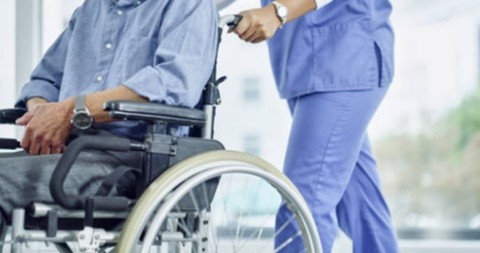 A successful recovery doesn’t end when a patient leaves the hospital – it begins there. While clinical care remains the foundation of recovery, factors such as reliable transportation, proper nutrition, medication management, social connection, and access to caregiver support often determine whether an older adult can safely remain at home or experiences an avoidable setback.
Known as social drivers of health, these non-medical factors have become an increasingly important focus for healthcare providers seeking to improve outcomes, reduce unnecessary utilization, and support successful care transitions.
Looking Beyond Clinical Needs
Discharge planning has traditionally centered on medical stability and follow-up care. But even the best clinical plan can fall short if a patient cannot get to appointments, prepare nutritious meals, manage medications, or recognize changes in their condition.
For care professionals, taking a broader view of each client’s circumstances is essential. Who will help with daily routines? Is the home environment safe? Does the client have reliable transportation? Who will notice if their condition begins to decline? Answers to these questions can uncover barriers that may not be apparent during a hospital stay but can significantly influence recovery at home.
The Value of Ongoing Support
Professional caregivers can play an important role in addressing many of these non-medical needs. In addition to assisting with activities of daily living, they can help reinforce discharge instructions, encourage medication adherence, provide meal preparation and companionship, and observe subtle physical or cognitive changes that may require medical attention.
“Successful care transitions depend on more than excellent clinical care,” says Jeff Zukerman, President of Family & Nursing Care. “When we address the everyday challenges that can affect recovery, we give older adults the support they need to remain safe at home while providing healthcare professionals with another layer of insight and continuity between visits.”
Because caregivers spend meaningful time with clients in their homes, they are often among the first to notice changes in mobility, appetite, cognition, mood, or overall well-being. Prompt communication with family members and healthcare providers can help address concerns early – before they develop into more serious complications or avoidable hospital readmissions.
Strengthening the Care Continuum
Addressing social drivers of health is an essential component of effective care coordination. By identifying non-medical support needs early and incorporating professional home care into the discharge plan when appropriate, care professionals can help create safer, more seamless transitions from hospital to home.
Professional home care serves as an extension of the care team, helping older adults navigate recovery with greater confidence while supporting the shared goals of improving outcomes and preserving independence.
Learn more about how Family & Nursing Care partners with healthcare professionals to support safe care transitions and aging in place by visiting our Professional Partnerships and Home Care Services webpages.