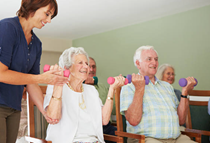
 Spring offers a natural reminder to step outside, move more, and embrace renewed energy. For older adults especially, staying physically active is one of the most important steps they can take to support their overall health and independence.
At the National Institute on Aging, researchers recently highlighted findings showing that lifelong exercise plays a meaningful role in promoting brain health in older adults. Regular movement can also help:
With older adults at higher risk for conditions such as diabetes, osteoporosis, Alzheimer’s disease, and fall-related injuries, physical activity can become a powerful protective tool. Even modest increases in movement — such as daily walks, gentle stretching, or light strength exercises — can make a measurable difference.
The emotional benefits are just as important. Staying active can boost mood, decrease stress, and increase alertness. Physical activity can also provide structure and a sense of accomplishment.
For some older adults, beginning or maintaining an exercise routine can feel daunting due to concerns about balance, stamina, or existing medical conditions. This is where personalized support can make all the difference.
“At any age, movement is medicine,” says Rachel Sanford, Registered Nurse and Director of Nursing for Family & Nursing Care Select. “Older adults should focus on safe, appropriate activities that meet them where they are. With the right support, even small amounts of consistent activity can improve strength, mood, and cognitive engagement.”
Caregiver-assisted activity provides both safety and encouragement. A caregiver can help a client:
This support not only reduces the risk of injury but also builds confidence and promotes consistency, which is key to achieving long-term health benefits.
At Family & Nursing Care, we understand that mobility looks different for every individual. Caregivers can assist with safe mobility and encourage appropriate activity that aligns with each client’s abilities and physician guidance.
To learn more, visit our Mobility Assistance webpage.



 800-588-0517