The Growing Role of Aging Life Care Professionals in Coordinating Complex Needs

As families navigate longer lifespans, more chronic conditions, and complex care decisions, Aging Life Care Professionals are playing an increasingly visible role across the broader care continuum. From hospital discharges to long-term planning, these professionals often help coordinate services and support during care transitions.

The demand is only expected to grow, says Mitch Markowitz, Vice President of Business Development at Family & Nursing Care. “People in their 50s and 60s suddenly find themselves caring for parents in their 80s and 90s and don’t know where to start. Aging Life Care Professionals understand the full eldercare landscape — including long-term care insurance, senior living options, and home care — and help families and care teams navigate those decisions.”

Why Demand is Increasing

Several demographic and systemic forces are driving the rise of Aging Life Care Professionals:

  • Longer lifespans, often accompanied by multiple chronic conditions
  • Faster hospital discharges and shorter lengths of stay
  • More solo agers without nearby family support
  • Increasingly complex family dynamics
  • An expanding array of healthcare and senior service options

As a result, Aging Life Care Professionals are increasingly collaborating with home care providers and other partners to support continuity across care settings.

For many families — especially adult children balancing careers and caregiving — the involvement of an Aging Life Care Professional can help bring structure and coordination to complex situations. These professionals assess needs, coordinate services, and monitor changes over time.

A Central Role in Coordinating Care

Aging Life Care Professionals serve as a primary point of contact, coordinating between healthcare providers, home care agencies, senior living communities, financial planners, and family members. Their familiarity with the broader eldercare landscape allows them to help align services and support informed decision-making.

Their work often includes:

  • Conducting assessments
  • Developing care plans and contingency strategies
  • Coordinating hospital-to-home transitions
  • Facilitating family communication
  • Monitoring safety and quality across care settings

The Value of Strong Home Care Partnerships

As care needs become more layered, effective coordination depends on strong collaboration among providers. High-quality home care plays a critical role in implementing care plans, reinforcing safety measures, and providing consistent support at home.

Family & Nursing Care works closely with Aging Life Care Professionals to ensure their clients receive dependable, responsive support. Services include:

  • Dedicated Client Services Managers who know each case in depth and help lighten the care manager’s load
  • A rigorous caregiver screening process designed to uphold high standards of excellence
  • A longstanding reputation for quality, with 97% of clients saying they would recommend us
  • Long-term care insurance support to help clients navigate policies and secure appropriate reimbursement

By combining thoughtful care management with reliable in-home support, families benefit from a coordinated system that promotes safety, dignity, and continuity.

A Growing Discipline and Shared Commitment

As lifespans lengthen and care needs grow, Aging Life Care Professionals are becoming even more important partners across the eldercare landscape. Their role reflects a broader shift toward more coordinated, team-based approaches to care.

At Family & Nursing Care, we value our collaboration with Aging Life Care Professionals and remain committed to serving as a responsive, experienced partner in supporting clients at home. To learn more, visit our Professional Partnerships and Home Care Services webpages.

What Maryland’s Hospital Rate Shift Means for Patients and the Growing Importance of Home Care

Maryland is entering a significant transition in how hospitals are reimbursed as the state moves into a new federal payment framework known as Achieving Healthcare Efficiency through Accountable Design (AHEAD). For decades, Maryland operated under a unique rate-setting system that allowed the state to determine hospital reimbursement levels. As this model sunsets and the federal government gradually assumes greater control over Medicare hospital payments by 2028, hospitals will face increased financial pressure and heightened accountability for outcomes.
The Impact of This Shift

Under the AHEAD model, Medicare reimbursement for hospitals will gradually align more closely with national standards. As a result, hospitals are expected to operate with tighter margins and increased scrutiny around utilization and quality metrics. To offset funding gaps, private insurers may also absorb additional costs, creating ripple effects across the broader healthcare landscape.

For care teams, this means:

  • Accelerated discharge timelines
  • Stronger emphasis on readmission prevention
  • Increased focus on post-acute coordination
  • Greater reliance on trusted community-based partners

In this evolving environment, discharge planning becomes even more central to both patient outcomes and system stability.

Why Safe, Supported Discharges Are Even More Critical

With mounting pressure on shorter hospital stays, ensuring appropriate support following discharge is vitally important. Patients returning home with complex medication regimens, mobility limitations, cognitive impairment, or multiple chronic conditions remain especially vulnerable during the first days and weeks after hospitalization. Without adequate support, the risk of complications — and readmissions — increases.

This is where high-quality home care plays a pivotal role. Reliable in-home support helps reinforce discharge instructions, monitor changes in condition, assist with activities of daily living, and provide consistent oversight that reduces avoidable returns to the hospital.

Home Care as a Critical Partner

As reimbursement models become increasingly value-driven, home care becomes a strategic extension of the care continuum. Home care can help bridge the gap between hospital and home by providing:

  • Rapid response for urgent or next-day discharges
  • Clear communication and collaboration with hospital teams
  • Consistency of caregiver-client matching
  • Flexibility as patient needs evolve

“As hospitals adapt to new reimbursement realities, reliable home care partnerships become even more essential,” says Mitch Markowitz, Vice President of Business Development at Family & Nursing Care. “When patients are discharged sooner, they need thoughtful, coordinated support at home to ensure stability and prevent avoidable returns to the hospital.”

How Family & Nursing Care Serves as a Resource

For nearly six decades, Family & Nursing Care has partnered with hospitals, Aging Life Care Professionals, and senior living communities to facilitate safe, seamless transitions home. We’re ready to activate care quickly, support complex and high-acuity clients, and collaborate closely with healthcare partners to promote continuity and stability.

As Maryland’s hospital reimbursement landscape shifts, dependable post-acute partnerships will play an increasingly important role in protecting patient outcomes. We remain committed to serving as a responsive, collaborative resource for hospitals navigating these changes.

To learn more about how we support care teams and coordinated transitions, visit the Family & Nursing Care Professional Partnerships and Home Care Services webpages.

Meet the Supervisory Nursing Team: From Assessment to Care Planning

Families often tell us that one of the most reassuring aspects of home care is knowing a licensed nurse is overseeing the big picture. Beyond day-to-day support, they want confidence that someone is assessing health needs, anticipating changes, and ensuring caregivers have a clear, thoughtful plan to follow.

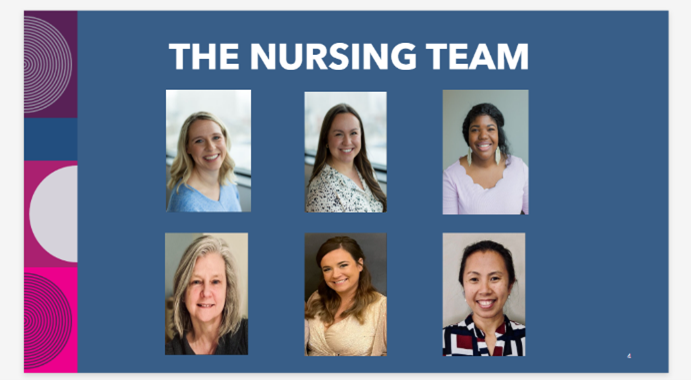
For Family & Nursing Care Select, that responsibility rests with our supervisory nursing team, a group of experienced registered nurses — each bringing a background in areas such as geriatrics, care coordination, and patient education — who partner closely with clients, families, and caregivers to guide care. Supervisory nursing services are available exclusively to Family & Nursing Care Select clients, providing an added layer of oversight, supervision, and continuity throughout the care journey.

A Professional Assessment That Sets the Foundation

Every client’s needs, preferences, and health conditions are unique. Supervisory nurses begin by conducting a comprehensive assessment designed to look beyond immediate concerns and consider the whole person — medical history, medications, mobility, cognitive status, daily routines, and personal goals.

This assessment becomes the foundation for an individualized Plan of Care. More than a checklist, the plan serves as a living blueprint that guides caregivers in delivering safe, effective, and consistent support tailored to the client’s condition and personality.

“Thoughtful nursing oversight ensures that care is not only compassionate, but guided by expertise,” says Rachel Sanford, Registered Nurse and Director of Nursing for Family & Nursing Care Select. “Our supervisory nurses take the time to truly understand each client’s overall health picture and develop a plan that evolves as their needs change. That proactive approach supports better outcomes and provides families with peace of mind.”

Ongoing Home Visits and Nursing Supervision

Supervisory nursing goes beyond creating a plan. In addition to routinely checking in with caregivers about a client’s well-being, supervisory nurses also visit clients in their homes.

During these visits, they provide ongoing supervision of services, observe care in real time, and ensure the Plan of Care is implemented safely and effectively. They also offer support and education to caregivers, reinforcing best practices, answering questions, and helping caregivers adapt as a client’s condition changes.

Oversight That Evolves with You

Health needs rarely remain static. A new diagnosis, medication adjustment, hospitalization, or gradual change in strength or memory may signal the need to refine the care approach.

When caregivers report changes in a client’s condition, supervisory nurses respond by assessing the situation, providing guidance, and updating the Plan of Care as needed.

Because supervisory nurses combine ongoing communication with home visits, they are able to keep care aligned with current needs. Caregivers rely on these guidelines to provide consistent support that reflects best practices and the client’s individual goals.

Families Are Essential Partners

Effective care is never one-directional. Families often notice subtle changes, like in appetite, mood, mobility, or cognition. Supervisory nurses encourage open communication and welcome questions and observations.

When families share insights, they help complete the care picture. That collaboration strengthens the support provided.

The Value of the “Big Picture”

Home care is deeply personal, but it also benefits from structure and experienced oversight. For families seeking an added layer of nursing supervision, Family & Nursing Care Select offers this enhanced level of support — combining individualized caregiving with professional guidance and in-home oversight.

To learn more, visit the Family & Nursing Care Home Care Services webpage.

From Stronger Bones to Improved Brain Health: The Importance of Physical Activity for Older Adults

Spring offers a natural reminder to step outside, move more, and embrace renewed energy. For older adults especially, staying physically active is one of the most important steps they can take to support their overall health and independence.

At the National Institute on Aging, researchers recently highlighted findings showing that lifelong exercise plays a meaningful role in promoting brain health in older adults. Regular movement can also help:

  • Strengthen bones and reduce the risk of osteoporosis
  • Improve balance and coordination, helping to prevent falls
  • Support heart health and better blood sugar control
  • Reduce symptoms of anxiety and depression
  • Increase energy levels and improve sleep
  • Promote sharper thinking and improved memory

With older adults at higher risk for conditions such as diabetes, osteoporosis, Alzheimer’s disease, and fall-related injuries, physical activity can become a powerful protective tool. Even modest increases in movement — such as daily walks, gentle stretching, or light strength exercises — can make a measurable difference.

The emotional benefits are just as important. Staying active can boost mood, decrease stress, and increase alertness. Physical activity can also provide structure and a sense of accomplishment.

For some older adults, beginning or maintaining an exercise routine can feel daunting due to concerns about balance, stamina, or existing medical conditions. This is where personalized support can make all the difference.

“At any age, movement is medicine,” says Rachel Sanford, Registered Nurse and Director of Nursing for Family & Nursing Care Select. “Older adults should focus on safe, appropriate activities that meet them where they are. With the right support, even small amounts of consistent activity can improve strength, mood, and cognitive engagement.”

Caregiver-assisted activity provides both safety and encouragement. A caregiver can help a client:

  • Take a daily walk indoors or outdoors
  • Practice gentle range-of-motion exercises
  • Complete physician-recommended therapy exercises
  • Engage in light household tasks that promote mobility

This support not only reduces the risk of injury but also builds confidence and promotes consistency, which is key to achieving long-term health benefits.

At Family & Nursing Care, we understand that mobility looks different for every individual. Caregivers can assist with safe mobility and encourage appropriate activity that aligns with each client’s abilities and physician guidance.

To learn more, visit our Mobility Assistance webpage.

Smart Safety at Home: How Simple Technology Can Support Clients Living with Dementia

As memory loss progresses, everyday routines can become safety risks, even for individuals who have lived independently for years. A stove left on, an appliance forgotten mid-task, or a disrupted routine can quickly create unsafe situations.
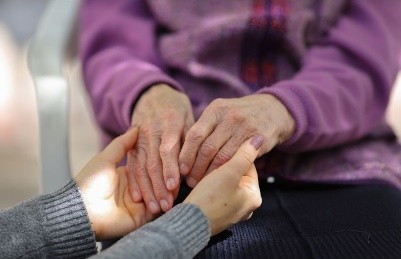
For families, these concerns often bring a difficult question to the surface: Can my loved one continue living safely at home?

The good news is that today’s simple, accessible technologies — combined with attentive caregiving — can significantly reduce risk while preserving independence and dignity.

Common Safety Risks at Home

Individuals living with dementia face unique safety challenges as memory and cognitive functioning decline. Some of the most common concerns include:

  • Unattended cooking or stoves left on
  • Forgotten appliances such as irons or space heaters
  • Wandering or nighttime disorientation
  • Missed medications
  • Changes in judgment that affect daily routines

Cooking-related incidents are especially common. A forgotten burner can pose serious fire risks to both the individual and surrounding neighbors in condominiums or apartment communities. Families and property managers alike often worry about these hazards.

Simple Technology That Makes a Meaningful Difference

Fortunately, safety technology does not have to be complicated or intrusive to be effective. Several practical tools can add an important layer of protection:

  • Automatic Stove Shut-Off Devices: Products can automatically cut power or gas to a stove if smoke is detected or if the stove has been left on too long. These devices can dramatically reduce the risk of kitchen fires while allowing individuals to continue preparing meals safely.
  • Appliance Monitoring Systems: Timers and smart plugs can automatically turn off appliances after a set period, preventing overheating or prolonged use.
  • Motion Sensors and Door Alerts: Discrete sensors can notify family members or caregivers if a client is up during the night or leaves the home unexpectedly, helping to prevent falls or wandering incidents.
  • Medication Reminder Tools: Automated pill dispensers and reminder systems help ensure medications are taken correctly and on schedule.

Importantly, these technologies are designed to support independence. When introduced thoughtfully, they can empower individuals to continue familiar routines with added protection in place.

Technology Combined with Caregiving Creates the Strongest Safety Plan

While safety devices provide valuable support, they are most effective when paired with professional caregiving.

“Technology can offer meaningful safeguards,” says Kelly Salb, Vice President of Client Services at Family & Nursing Care. “But it’s the presence of an experienced caregiver that brings peace of mind. Caregivers can recognize subtle changes, reinforce routines, and ensure safety tools are used properly — something technology alone cannot do.”

Caregivers can play a vital role in:

  • Monitoring cooking and household activities
  • Reinforcing established daily routines
  • Observing cognitive or behavioral changes
  • Coordinating with families when new safety needs arise
  • Ensuring devices remain functional and appropriately used

This layered approach helps reduce risk while maintaining dignity and quality of life.

Supporting Independence at Home

For many families, the goal is to help a loved one remain safely at home for as long as possible. Proactive safety planning can ease stress for families and provide reassurance to neighbors and property managers.

Even small modifications can make a meaningful difference, like a stove shut-off device, motion sensor, and medication reminder. When combined with compassionate, professional care, these tools create a safer, more supportive home environment.

To learn more about how Family & Nursing Care supports individuals living with dementia, visit our Home Care and Alzheimer’s/Dementia webpage. You can also explore additional home safety tips and technology guidance on the Alzheimer’s Association website.


More Than Care: What Caregivers Mean to Clients and Families

Caregivers are often described in practical terms: help with bathing and dressing, medication reminders, meal preparation, transportation, and safety at home. All of these responsibilities matter deeply.

And for many families, caregivers become something far greater. They are steady presences during uncertainty. Trusted companions in the quiet of early mornings and long evenings. Partners in preserving dignity. Over time, they can become part of the family.

At Family & Nursing Care, we are reminded of this truth most powerfully in the words families share with us, especially after a loved one passes. Their reflections speak not only to excellent care, but to humanity, connection, and love.

“Part of Our Family”

After his wife’s long illness, one husband wrote to us about the two caregivers who stood by her side —and his — through the final chapter of her life: Connie Kuevey and Paula Minahan.

He described them as “two of the finest and kindest caregivers one could imagine.” In the week before his wife passed, Connie and Paula spent long days at the hospital, providing comfort and continuity during an uncertain time. Paula was by her side helping up until an hour before she passed.

“Our whole family, down to our grandkids, love Connie and Paula,” he wrote. “They are extraordinary in their jobs, and more than extraordinary human beings.”

In another message, a wife reflected on the caregiver who supported her husband in the final years of his life: Marvyn Conteh was “everything and more than we could have expected from a caregiver.”

“He was always on time. He got my husband’s sense of humor. My husband missed Marvyn when it was his day off — that says it all,” she wrote. “He gave me a life the last few years. Our kids, who live far away, were so grateful for him. He is part of our family.”

Families frequently share similar sentiments about their caregivers. These reflections are the natural result of what happens when skilled, compassionate professionals show up consistently during life’s most vulnerable moments.

Dignity, Comfort, and Peace of Mind

Serious illness and end-of-life care are among the most emotionally complex experiences families face. There is grief, uncertainty, exhaustion, and love, often all at once.

In these moments, caregivers do far more than assist with daily tasks. They help preserve dignity, provide reassurance, and offer companionship when family members need to rest. They step in so spouses can remain partners, not only caregivers. They give adult children peace of mind when they live miles or states away.

More Than a Match

Behind every successful caregiving relationship is thoughtful matching, ongoing communication, and deep respect for the human side of care.

“We know that caregivers often become trusted companions and, in many cases, extensions of the family,” says Kelly Salb, Vice President of Client Services at Family & Nursing Care. “Our responsibility is to thoughtfully match clients with caregivers based on care needs, preferences, and schedules. Caregivers bring skill, experience, and a deep commitment to providing compassionate, consistent support — and that human connection is what makes the difference.”

A Commitment That Endures

The letters we receive from families are deeply meaningful to us. They reflect the impact caregivers have on people’s lives during extraordinary times, like Connie, Paula, Marvyn, and many others.

Recently, in one client’s obituary, the family expressed “heartfelt gratitude” to the caregivers from Family & Nursing Care “for the compassion, dignity, and gentle care they provided.” They also noted that this support brought comfort and peace during a difficult time.

Examples like these show, again and again, that home care is more than helping someone remain safely at home. It is about preserving dignity, nurturing connection, and walking alongside families through some of life’s most tender chapters.

To learn more, visit our Home Care Services webpage and discover how we can thoughtfully support your family.

Family & Nursing Care Earns 11th Consecutive NBRI Circle of Excellence Award

NBRI Circle of Excellence Recipient AwardWe are proud to announce that Family & Nursing Care has been recognized with the National Business Research Institute’s (NBRI) Circle of Excellence Award for the 11th year in a row based on survey results from 2025. This prestigious honor reflects our commitment to delivering exceptional experiences for the people we serve, as well as for the dedicated staff and caregivers who make our work possible.

About the NBRI Circle of Excellence Award

The NBRI Circle of Excellence Award honors organizations that demonstrate outstanding performance and satisfaction across multiple stakeholder groups. Winners are selected based on survey results that measure positive feedback from clients and family members, staff, and caregivers, evaluating areas such as quality of service, loyalty, communication, responsiveness, and overall satisfaction.

Receiving this award for 11 consecutive years underscores the consistency and excellence with which Family & Nursing Care delivers support, trust, and access to compassionate care. Each year, survey results — including satisfaction scores, referral likelihood, and testimonials — help validate our approach and highlight what sets us apart in the industry.

Key Takeaways

Some notable insights from the feedback received in 2025 include:

  • New clients reported 92% satisfaction with the Family & Nursing Care office staff. Nearly 95% felt their concerns were addressed during the initial intake process and 93% are satisfied with their Client Service Managers. Among all clients, 97% said they would recommend Family & Nursing Care to a friend or family member.
  • Caregivers ranked all survey topics well above industry average, with Job Satisfaction, Culture & Climate, and Recognition ranked the highest. Notably, 92% said “I am proud to tell people I work with/for Family & Nursing Care” and 90% said “Overall, I like being a caregiver with Family & Nursing Care.”
  • Our office staff survey assesses 14 different areas, all of which exceeded the stretch performance level. Several topics exceeded 90% satisfaction, including understanding job expectations, feeling that their work is impactful, and that they are encouraged to do what is right.

The Significance of This Award

The NBRI Circle of Excellence Award is proof that our clients and their families feel heard, supported, and cared for. It shows that employees and caregivers find purpose and fulfillment in their work.

For more than 58 years, Family & Nursing Care has been a trusted and leading home care resource in the Mid-Atlantic region. By consistently assessing and acting on the feedback of everyone in our community, we can ensure that the services offered continue to meet the highest standards today and in the future.

To learn more about our award-winning culture, visit the Family & Nursing Care Why Us webpage.