 800-588-0517

Heart disease is the leading cause of death in the United States, accounting for one in every three deaths, according to the Centers for Disease Control and Prevention (CDC). Millions of older adults live with chronic heart conditions that require ongoing management. While a heart attack or cardiac procedure may mark the beginning of recovery, maintaining heart health is a lifelong commitment.
Home Care for Heart Disease Requires Ongoing Attention
Living with heart disease often means taking medications as prescribed, monitoring blood pressure or weight, following a heart-healthy diet, staying physically active within physician recommendations, and attending regular medical appointments. It also means recognizing changes in symptoms before they become emergencies.
Even older adults who have successfully managed their condition for years may face new challenges due to aging, reduced mobility, memory changes, or other chronic health conditions. A professional caregiver can help ensure these important routines don’t fall through the cracks.
Warning Signs of Heart Disease in Washington DC That Shouldn’t Be Ignored
Warning signs often develop gradually and may be easy for family members to miss during occasional visits. A caregiver who sees a client regularly is more likely to notice increased fatigue, shortness of breath during everyday activities, swelling in the feet, ankles, or legs, changes in appetite, difficulty managing medications, confusion or forgetfulness, and reduced mobility or balance.
Recognizing these changes early may help prevent a minor concern from becoming a hospitalization.
Support That Extends Beyond Home Heart Disease Care in DC
Managing heart disease isn’t only about monitoring symptoms. Everyday tasks can become more difficult as energy levels fluctuate or physical limitations increase.
Professional caregivers can assist with many daily tasks that support overall heart health, including:
- Preparing nutritious meals that align with dietary recommendations
- Providing medication reminders
- Encouraging appropriate physical activity
- Assisting with bathing, dressing, and mobility
- Helping prevent falls
- Providing transportation to medical appointments
- Offering companionship and emotional support
These services help reduce physical strain while allowing older adults to maintain their routines at home. They also provide families with peace of mind, knowing someone is monitoring for changes, encouraging healthy habits, and providing consistent support.
Home Care Can Help Protect Long-Term Heart Health Care at Home in Washington DC
Managing heart disease isn’t just about recovering from a heart attack or procedure. It’s about maintaining health, reducing risks, and supporting independence for the long term.
At Family & Nursing Care, we connect clients with experienced caregivers who provide personalized support to help older adults safely manage heart disease while remaining comfortable at home.
 Family caregivers are an essential part of the care continuum, providing critical support that allows many older adults to remain at home. As of 2025, an estimated 63 million Americans serve as family caregivers, representing nearly 1 in 4 adults in the United States, according to AARP. At the same time, caregivers are often balancing careers, family responsibilities, and their own personal needs. Over time, these competing demands can take a significant toll.
 The cost of aging in America continues to climb at a rapid pace. According to Genworth’s 2025 Cost of Care Survey, the median annual cost of a private room in a nursing home now exceeds $120,000, while assisted living averages more than $72,000 per year. For families who have invested in long-term care insurance (LTCI), these rising costs reinforce the importance of understanding and maximizing available benefits.
 Loneliness and social isolation are increasingly recognized as serious public health concerns, particularly among older adults. As the population ages, more individuals are living alone, managing chronic conditions, or experiencing reduced mobility and social engagement. For professionals across the care continuum, these factors are no longer considered secondary concerns. They are measurable risks that directly impact health outcomes.
 As the U.S. population continues to age, the healthcare system is facing a widening gap between patient demand and provider availability. Shortages among primary care physicians and geriatric specialists are becoming more pronounced, placing added strain on an already complex care environment. This gap is not just about access to appointments; it is reshaping how care must be delivered between visits.
 Summer travel offers a wonderful opportunity to spend time together, create lasting memories, and enjoy a change of scenery. When traveling with an aging loved one, a little extra planning can help ensure the experience is not only enjoyable, but safe and comfortable for everyone involved.
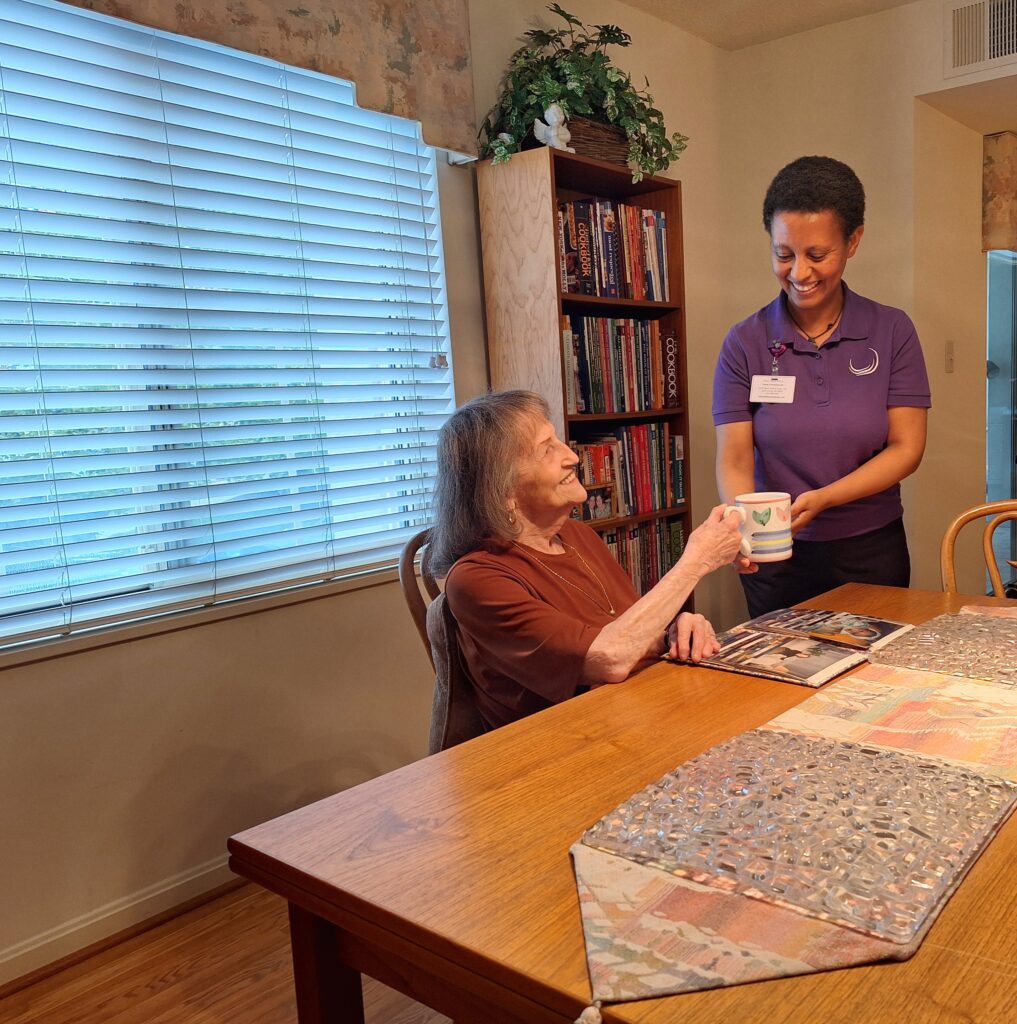 Many older adults take great pride in their independence and may initially hesitate to accept help, even after a fall, illness, or unexpected health setback. The idea of needing assistance can feel like a loss of control, especially for those who have always managed on their own.
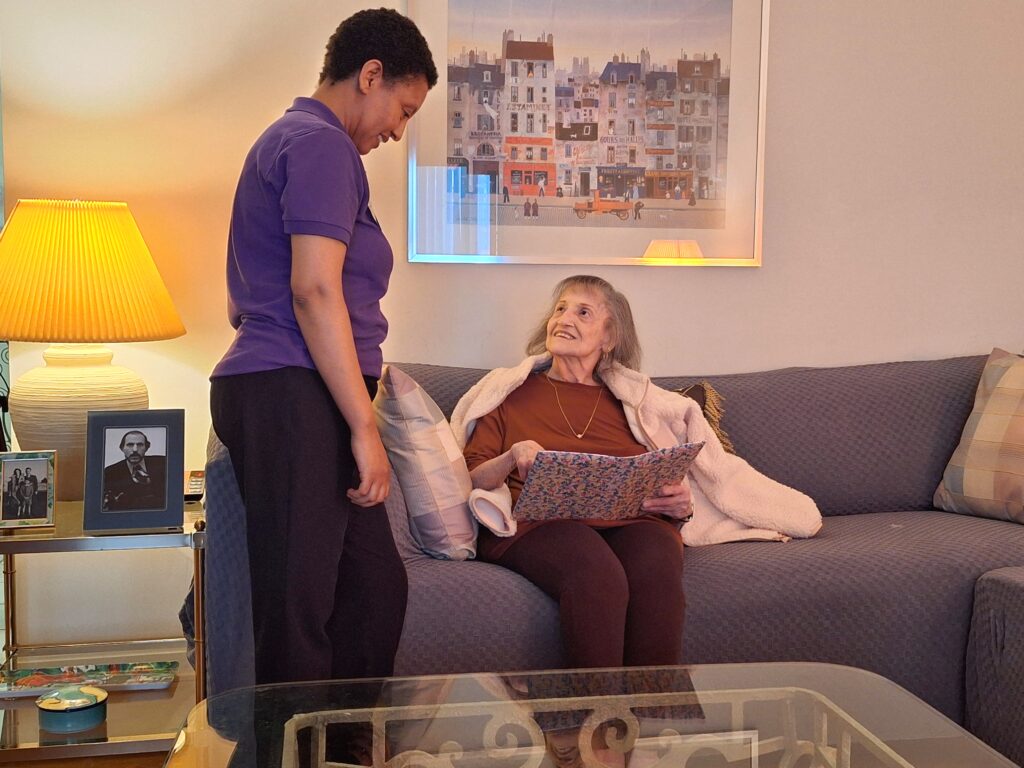 The Impact of Compassionate Care