Supporting Senior Living Partners — How Home Care Helps Fill the Gap in an Aging Boom

As the large wave of the baby-boomer generation continues to age, the demand for senior housing — whether independent living, assisted living, or memory care — is surging. But the rate of new development is not keeping pace. According to the National Investment Center for Seniors Housing & Care (NIC), annual inventory growth in senior housing recently dropped below 1%. Meanwhile, more than 4 million boomers will hit age 80 in the next five years, a demographic shift that historically correlates with increased need for residential senior care.

This imbalance highlights the necessity for flexible solutions. Home care serves as a helpful “safety valve” that supports families and communities during high demand periods.

How Home Care Steps In

Senior living communities remain a vital part of the care continuum, offering housing, safety, social engagement, and specialized support. Home care offers meaningful assistance that works alongside senior living communities to meet rising demand by:

  • Supporting older adults at an appropriate level of care. Home care enables clients to remain in their familiar environment while receiving the support they need to maintain independence, comfort, and safety.
  • Relieving pressure on residential senior-housing wait lists. By offering a robust care alternative, home care can bridge the gap between discharge or referral and move-in at a residential setting.
  • Helping short term needs through a residents’ lifecycle. Home care can work alongside senior living communities, hospitals, and rehabilitation providers to deliver support after a hospitalization, through an illness, or even comfort care at end of life to supplement what community staff offer.

Family & Nursing Care’s Role

At Family & Nursing Care, we recognize that in this era of constrained senior housing supply, home care is a vital part of senior services. We partner with healthcare systems, senior living communities, discharge planners, and professionals to help:

  • Connect families with highly-skilled caregivers who can provide care at home on short notice, often bridging the gap between contract signing and move-in.
  • Work hand-in-hand with medical providers, senior living communities, rehabilitation teams, and families to ensure seamless care transitions.
  • Tailor support to the individual’s home environment, preferences, and lifestyle goals.

Family & Nursing Care views senior living communities as essential partners in the broader care continuum. Our role is to complement the vital services these communities offer by helping bridge transitions, supporting families during wait-list periods, and ensuring older adults stay safe and supported until they’re ready for the next step in their journey. Together, we create a more seamless experience for older adults and their families.

“Our aging population is creating unprecedented demand for both housing and care,” said Mitch Markowitz, Vice President of Business Development at Family & Nursing Care. “Home care is becoming a central, strategic option in the service continuum. Whether someone is waiting for a senior living unit, coming home after rehab, or simply seeking to age in place longer, our role is to help deliver safe, flexible care.”

To learn more about Family & Nursing Care’s leading home care services, visit our Home Care Services webpage.

 

The Evolving Care Continuum: Strengthening Hospital-to-Home Transitions

As healthcare systems continue to emphasize shorter hospital stays and more seamless post-acute care, one critical moment that can help determine the success of a patient’s recovery journey is the transition from hospital to home. Whether a patient is returning home after surgery, illness, or rehabilitation, effective discharge planning and coordinated home care can make all the difference in reducing readmissions and promoting lasting recovery.

The Critical First 48 Hours

The first 48 hours after discharge from a hospital or rehab are critical to the safety and health of patients. This small window of time is when they are often at their weakest and at the greatest risk for a fall or other adverse event, which can result in a return trip to the hospital. Preventing hospital readmissions during this period not only improves patients’ quality of life but also saves hospitals and the healthcare system as a whole a tremendous amount of money.

Yet, there is often a gap in care from the time a patient is released from the hospital until their rehabilitation or Medicare services begin. That’s where responsive, compassionate home care can make a big impact.

Closing the Gap with Responsive, Compassionate Care

Family & Nursing Care partners closely with hospital discharge planners, social workers, rehabilitation teams, and other healthcare professionals to ensure clients experience a smooth, safe, and supported journey home. The company’s dedicated team is available 24/7 to coordinate services — often within hours of discharge.

From transportation home to immediate in-home assistance, medication reminders, mobility support, and meal preparation, caregivers provide compassionate, personalized care that builds confidence and comfort from day one.

“Our healthcare partners know that time is of the essence when someone is discharged,” said Mitch Markowitz, Vice President of Business Development at Family & Nursing Care. “That’s why we’ve made responsiveness part of our DNA. Half of our new clients start receiving care within 24 hours of contacting us — and three-quarters within 48 hours of their first call to us. When someone is discharged from the hospital or rehab, the first 24-48 hours after is when they are at their weakest and most likely to be readmitted. Being able to step in that quickly can have a real impact on recovery, safety, and peace of mind for everyone involved.”

A Trusted Partner in Every Transition

With more than five decades of experience, Family & Nursing Care has become a trusted partner to leading hospitals and healthcare organizations across the region. By bridging the gap between hospital and home, the company helps ensure that every client receives the continuity, compassion, and support they need to thrive.

To learn more about how Family & Nursing Care supports hospital-to-home transitions, visit our Home Care Services webpage.


Top 5 Home Care Trends to Watch in 2026

Each year brings new shifts in the home care landscape, and 2026 is shaping up to be another pivotal year. Many of the developments that gained traction in 2025 are now accelerating, including the growing role of technology, ongoing workforce pressures, and greater coordination between home care and health care. Families are looking for more guidance, seniors are living longer with more complex needs, and organizations that support older adults are seeking providers who can keep pace while still delivering reliable, personal support.

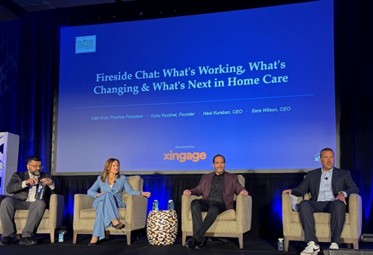
“Last year, we saw a renewed recognition that home care is essential — not an add-on,” says Neal Kursban, Family & Nursing Care CEO. “In 2026, that understanding is deepening. Families want clarity, consistency, and a high level of service in an increasingly complicated environment.”

For this article, we sat down with Family & Nursing Care CEO Neal Kursban, President Jeff Zukerman, and Vice President of Business Development Mitch Markowitz to discuss the top trends to watch for this year.

1. Technology and AI Continue to Advance

Technology and AI remain major topics across all industries, and home care is no exception. In 2026, the biggest impact isn’t flashy robotics — it’s behind-the-scenes improvements that streamline operations, reduce administrative burden, and create a more seamless experience for families and caregivers. “Where AI can help right now is on the operational side: recruiting, scheduling, data entry, and improving efficiencies,” says Zukerman. “We’re pushing our technology partners to continue building AI into the tools we already use.” Kursban reinforces the importance of taking a balanced approach and keeping service personal: “Families still want to talk to real people. If technology can help the team internally work more efficiently, then that’s great, but the personalized service won’t change.”

2. A Deepening Eldercare Crisis Driven by Worker Shortages

The home care industry is facing a troubling reality: the demand for eldercare is rising at the very same time the workforce needed to provide it is shrinking. This widening gap is putting older adults, families, and the entire care system at risk. With the number of people in the U.S. 85 and older expected to more than double by 2040, the need for qualified caregivers is outpacing supply. Immigration restrictions are worsening the shortage, especially since one in three home care workers is an immigrant. “Home care has never been more essential, but the workforce isn’t growing fast enough to meet the needs of an aging population,” says Kursban. Economic pressures, including rising costs, are also leaving families with fewer choices, often pushing older adults toward settings that don’t reflect their preferences. Strengthening the caregiver workforce through practical immigration policies and greater recognition of home care’s role in the care continuum will be critical to meeting the needs of a rapidly aging nation.

3. Workforce Innovation and Fair Pay Practices Remain Central

The home care workforce continues to face unprecedented demands, making pay, support, and professional stability critically important. While the federal “No Tax on Overtime” rule may help caregivers keep more of their earnings, it’s still incumbent on agencies that employ caregivers to do their part — and that’s something Family & Nursing Care Select takes to heart. The company continues to absorb overtime costs so families are never pressured to limit support to 40 hours per week and caregivers can earn more without client impact. “We’ve always believed that taking care of caregivers is essential because they’re the ones taking care of clients,” says Kursban. “Fair compensation and the ability to work the hours they want are key to providing continuity for families.” As agencies nationwide grapple with recruitment, turnover, and burnout, workforce practices remain a defining measure of quality and stability.

4. Strengthening the Connection Between Home Care and Health Care, Especially During the First 48 Hours Post-Discharge

Hospitals and skilled nursing facilities continue to face pressure to prevent avoidable readmissions. Home care plays a critical role, particularly in the early days after someone returns home. According to Markowitz, “Readmissions used to be tracked by illness, but hospitals eventually realized people weren’t bouncing back based on their condition. They weren’t bouncing back because they were weak when they got home, they fell, they weren’t eating well, they weren’t hydrated, and they weren’t taking their medications. These are all things professional caregivers can help with.” While home care is not a medical service, it fills essential gaps that are often not covered by Medicare — especially in the critical window between hospital discharge and when other services may begin, if a person is eligible. This support directly influences outcomes in the first 24-48 hours and especially the first 30 days at home, which is crucial for preventing avoidable readmissions.

5. Private Equity’s Expansion and Why Independence Still Matters in Home Care

One of the biggest industry-wide shifts going into 2026 is the continued acquisition of home care agencies by private equity firms. While consolidation can bring scale, it often comes at the expense of culture, continuity, and personal service. Private equity firms typically aim to rapidly grow companies, creating pressure that can filter down to families and workers. “It all comes back to personalized touch,” says Kursban. “You can’t remove the human element from home care.” Independence allows home care agencies to maintain their culture, uphold long-standing values, and prioritize what matters most to clients and caregivers.

Looking Ahead

These five trends reflect a broader truth: home care in 2026 is becoming more integrated, data-informed, and complex — yet the heart of the work remains deeply personal.

“People want hands-on guidance from a trusted partner,” says Zukerman. “Whether it’s after a hospitalization, navigating multiple chronic conditions, or supporting an aging loved one who wants to remain at home, the need for experienced home care is only growing.”

Family & Nursing Care remains committed to staying ahead of industry shifts while preserving the compassion, consistency, and personalized support that have defined its work for nearly six decades. Here’s more of what sets us apart:

  • For 58 years and counting, we’ve assisted tens of thousands of families by connecting them with compassionate, reliable caregivers to help meet their needs.
  • 97% of clients surveyed said they would recommend us to friends and family.
  • Only the top 8% of caregivers who apply meet our unwavering standards of excellence, ensuring every caregiver we work with is the best-of-the-best.
  • We build strong relationships with professionals across the care community to help coordinate the often overwhelming process of setting up care for clients and families.

To learn more about Family & Nursing Care’s leading home care services, visit the Why Us? page on our website.


Illuminating Hope: Breakthroughs in Alzheimer’s Diagnosis and Treatment

For families affected by Alzheimer’s disease, hope has often felt just out of reach. But recent years have brought an encouraging shift — one marked by groundbreaking science, early detection tools, and new insight into how lifestyle and prevention may slow cognitive decline.

A New Era in Diagnosis

In 2025, the FDA approved the first-ever blood test capable of detecting Alzheimer’s proteins with more than 90% accuracy. Unlike costly brain scans, this simple test can be done by a primary care provider, dramatically increasing access to early diagnosis. Researchers say this change can help identify the disease earlier, when interventions can be most effective.

Progress Beyond the Lab

Other promising discoveries are deepening understanding of the disease:

  • Lifestyle interventions matter. The landmark S. POINTER study confirmed that combining good nutrition, regular exercise, mental stimulation, and health monitoring significantly improves cognitive performance in at-risk adults.
  • Inflammation may hold answers. New studies show immune system health plays a key role in how Alzheimer’s develops — pointing researchers toward therapies that target inflammation and immune response.
  • Vaccines and brain health. Large-scale studies suggest that common vaccines — including those for shingles and RSV — may reduce dementia risk by up to 20%.
  • Unexpected discoveries. Early research shows that lithium, long used to treat mood disorders, might help protect neurons and slow the buildup of harmful brain proteins.

Together, these findings are fueling a more hopeful future — one where prevention, early detection, and personalized care work hand in hand.

Compassionate Care for Today

While the advances in research are truly exciting, the day-to-day support for individuals living with Alzheimer’s remains just as vital. At Family & Nursing Care, that support begins at home. Caregivers help clients stay in a familiar, comfortable environment — encouraging meaningful routines, supporting safety, and maintaining dignity, including:

  • Personalized companionship and engagement
  • Safety and structure
  • Support with daily life and transitions
  • Care coordination and communication
  • Focus on dignity and purpose

“At Family & Nursing Care, we believe that every breakthrough in research is matched by the everyday breakthroughs that happen at home,” said Kelly Salb, Vice President of Client Services. “Caregivers bring not just care, but comfort, patience, and hope — helping clients live with dignity and meaning each day.”

To learn more about how Family & Nursing Care supports clients living with Alzheimer’s or dementia, visit our Home Care and Alzheimer’s/Dementia Care webpage.

Anatomy of a Home Care Visit: A Behind-the-Scenes Look at Client Services in Action

 At Family & Nursing Care, compassion and connection form the heart of everything we do. One of the most meaningful ways this commitment comes to life is through our in-person home visits — when our Client Services Managers (CSMs) step into clients’ homes to listen and ensure that the overall care experience continues to meet each person’s unique needs.

These visits go far beyond a routine check-in. They are opportunities to strengthen relationships, foster trust, and support clients and families — a defining difference in Family & Nursing Care’s approach.

A Personal, Proactive Approach

Every client’s situation is different, and so is every home visit. By sitting with clients and their families face-to-face, CSMs gain insights that simply can’t be captured over the phone. They learn how the home environment supports the client’s comfort and safety, and hear directly from clients and families about any updates to their preferences and needs.

“Home visits allow us to truly see the full picture,” said Kelly Salb, Vice President of Client Services at Family & Nursing Care. “We can learn how a client is doing physically and emotionally — whether they’re feeling engaged, supported, and content at home — and make sure their experience with our service feels right.”

What Happens During a Home Visit

Each visit is guided by empathy, professionalism, and purpose. CSMs typically:

  • Assess the home for safety and comfort, addressing potential hazards such as loose rugs or poor lighting.
  • Engage clients and families in meaningful conversations about preferences, concerns, and future planning.
  • Offer resources and information to help families navigate care decisions.
  • Confirm that clients feel supported and satisfied with Family & Nursing Care’s services.

These conversations often spark small but impactful adjustments — from revisiting a client’s meal preferences to adjusting schedules to better fit their routine.

The Benefits for Clients and Families

For clients and their families, home visits provide reassurance and peace of mind. They know they have a trusted partner to help address changes and support their choices. Clients also have a stronger voice in shaping their experience, sharing hobbies, goals, and ideas that bring joy and meaning to daily life.

“Families appreciate that we’re not just checking boxes — we’re building relationships,” Kelly added. “We’re there to make sure their loved one feels seen, heard, and cared for in a way that’s deeply personal.”

Why It Matters for Our Team

For our CSMs, home visits are among the most rewarding parts of the job. They provide valuable context that goes beyond what’s discussed over the phone, allowing CSMs to see clients’ daily lives firsthand. The result is a richer understanding of each person’s needs — and a deeper sense of purpose in helping them thrive at home.

These visits exemplify Family & Nursing Care’s proactive, client-centered mission: care that adapts, connects, and grows alongside the people we serve.

To learn more about our services, visit our Home Care Services webpage.

Navigating Winter Wellness — Staying Safe, Warm, and Engaged

Winter brings cozy moments and quiet beauty, but for older adults, it can also introduce unique challenges to safety, comfort, and well-being. Cold temperatures, shorter days, and icy conditions can make it harder to stay active and connected, which can affect both physical health and emotional resilience.

At Family & Nursing Care, we understand that maintaining wellness during winter means more than avoiding slips or bundling up against the cold — it’s about supporting the whole person through movement, nutrition, and companionship.

Staying Safe and Comfortable

Icy sidewalks and snowy driveways can increase the risk of falls, one of the most common winter hazards for older adults. A few small precautions — wearing proper footwear, clearing walkways, and ensuring adequate lighting indoors and out — can make a big difference. Caregivers can also play an essential role by assisting with mobility, offering a steady arm for balance, and helping clients safely enjoy the season.

“Winter wellness is about maintaining both safety and joy,” said Kelly Salb, Vice President of Client Services at Family & Nursing Care. “Caregivers not only help clients stay warm and secure at home, but also encourage them to keep moving, stay socially engaged, and find comfort in everyday routines — whether that’s sharing a meal, taking a short walk, or simply enjoying conversation.”

Supporting Body and Mind

Cold weather often means spending more time indoors, which can contribute to feelings of isolation or the “winter blues.” Staying engaged through conversation, hobbies, and social connection can greatly improve mood and overall well-being. Caregivers can help by encouraging favorite activities, preparing nourishing meals, and creating opportunities for meaningful companionship — all vital ingredients for emotional health.

Staying Connected All Season Long

The winter months are also a time to strengthen bonds — with family, friends, and caregivers who bring warmth to each day. Whether it’s through a shared story, a cozy afternoon inside, or a safe outing to enjoy the crisp air, these small moments of connection can make the season brighter and healthier for everyone.

To learn more about how Family & Nursing Care can connect you or your loved ones with caregivers who support staying active, safe, and engaged this winter, visit our Mobility Assistance and Companionship webpages.

Supporting Family Caregivers: Family & Nursing Care Featured in Home Health Care News

FNC Headshot Kelly SalbFamily & Nursing Care was recently featured in Home Health Care News for our ongoing commitment to supporting and empowering family caregivers — a vital but often overlooked part of the care team that helps older adults remain safe and comfortable at home.

Across the United States, family members are playing an increasingly important role in caregiving. In fact, 63 million people provided care for an adult or a child in 2025, according to data from AARP and the National Alliance for Caregiving. As more families take on these responsibilities, home care companies are finding new ways to engage and educate them — ensuring families have the knowledge, tools, and confidence to provide quality care.

In the article, “Home-Based Care Companies Improve Outcomes By Training Family Caregivers,” Kelly Salb, Vice President of Client Services at Family & Nursing Care, shared how the company helps family caregivers navigate both the emotional and practical aspects of providing care.

“We help educate them on [specific] diagnosis that their loved one might have,” Salb told Home Health Care News. “Our RN team does a really good job with that, and our client services team. We help educate them on programs such as hospice, and even create or schedule a meet and greet with hospice agencies, because a lot of times, these family caregivers don’t know what they have as tools.”

Family & Nursing Care takes a personalized approach to every family situation, helping caregivers feel supported at every step. Whether it’s explaining care plans, connecting them to community resources, or simply being a compassionate listening ear, the company recognizes that caring for a loved one is multi-faceted.

“We also engage in any conversation about what’s going on,” Salb said. “Obviously, they’re really dealing with the emotional sense of taking care of someone on top of the practical tasks.”

Salb also highlighted the importance of recognizing family caregivers as essential partners in home care: “I don’t think any company could be successful without acknowledging the role of the family caregiver.”

To read the full Home Health Care News article, “Home-Based Care Companies Improve Outcomes By Training Family Caregivers,” click here. (Note: Access to the full article requires an HHCN+ membership.)


Family & Nursing Care Celebrates National Family Day

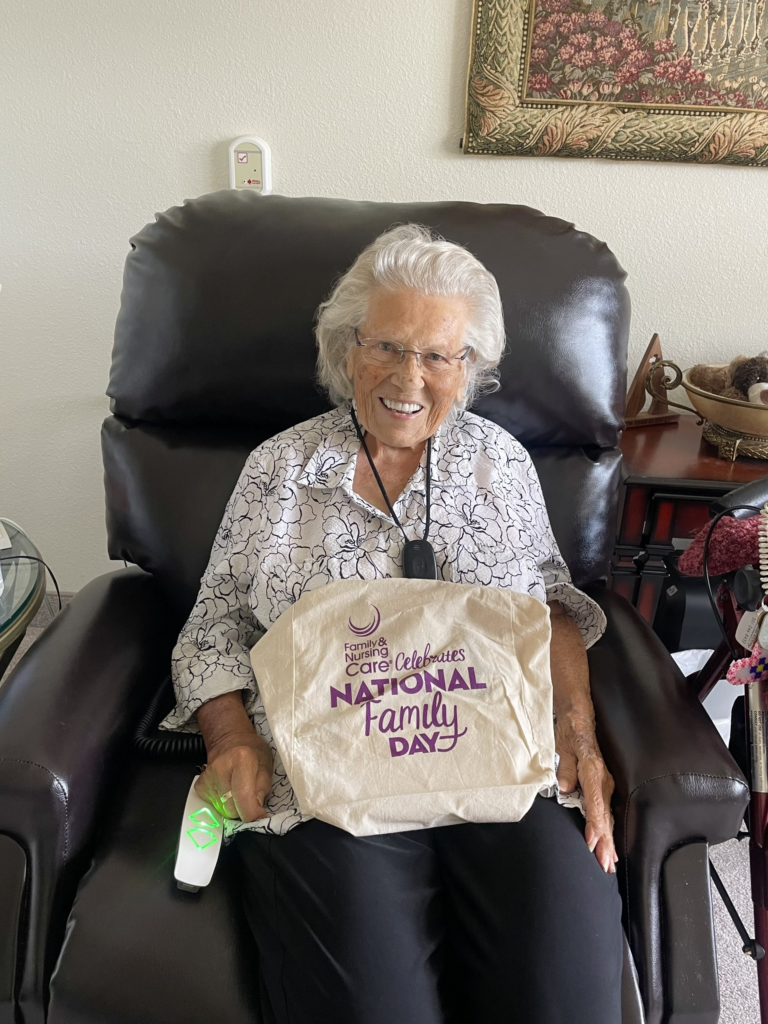
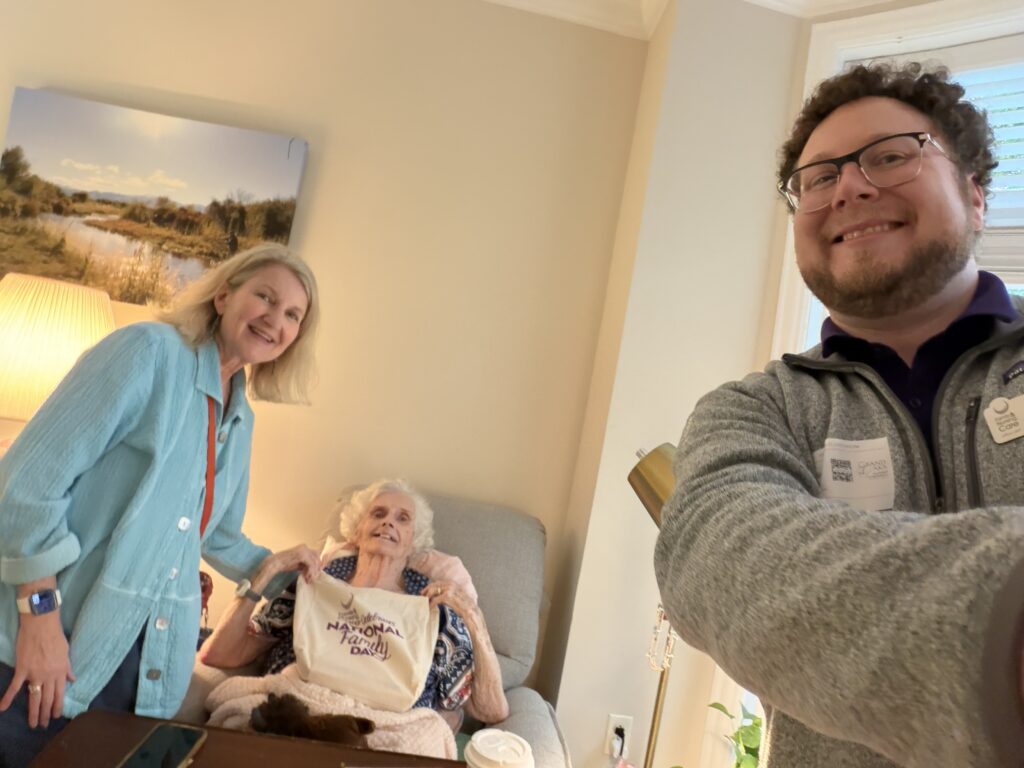
At Family & Nursing Care, National Family Day is all about celebrating the incredible people who enrich our lives and make every day more meaningful. To show our gratitude, we surprised some clients by hand-delivering special gifts as a heartfelt thank you for being such an important part of the Family & Nursing Care “family.”

This day highlights the connections, memories, and care that bring us together — clients, caregivers, professionals, and staff alike. We’re proud to connect clients with compassionate caregivers who often become cherished members of the family.

From all of us here, happy National Family Day and we sincerely thank you for being a part of our community!

Celebrating Caregivers in 2025

Caregivers surround Family & Nursing Care Founder, Sandy Kursban

At Family & Nursing Care, recognizing and celebrating Caregivers is a tradition that reflects one of our core values. This year, we were thrilled to host several appreciation events in our areas of operation for Maryland, Washington, D.C., and Pennsylvania caregivers, creating opportunities to connect, share gratitude, and enjoy time together.

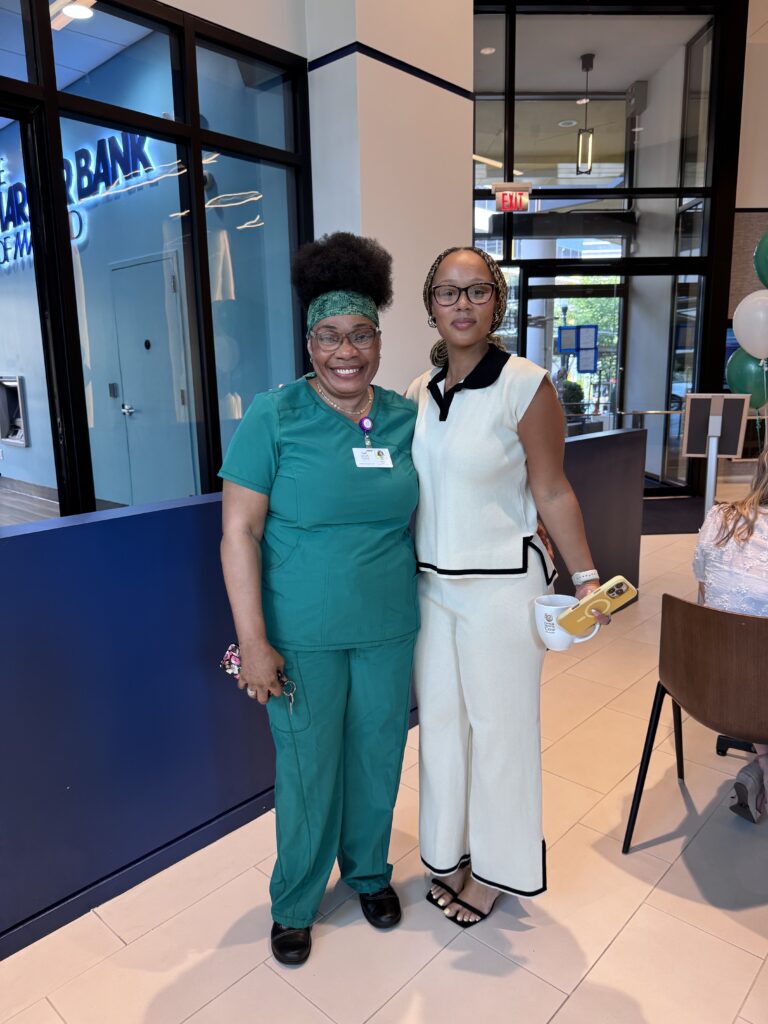
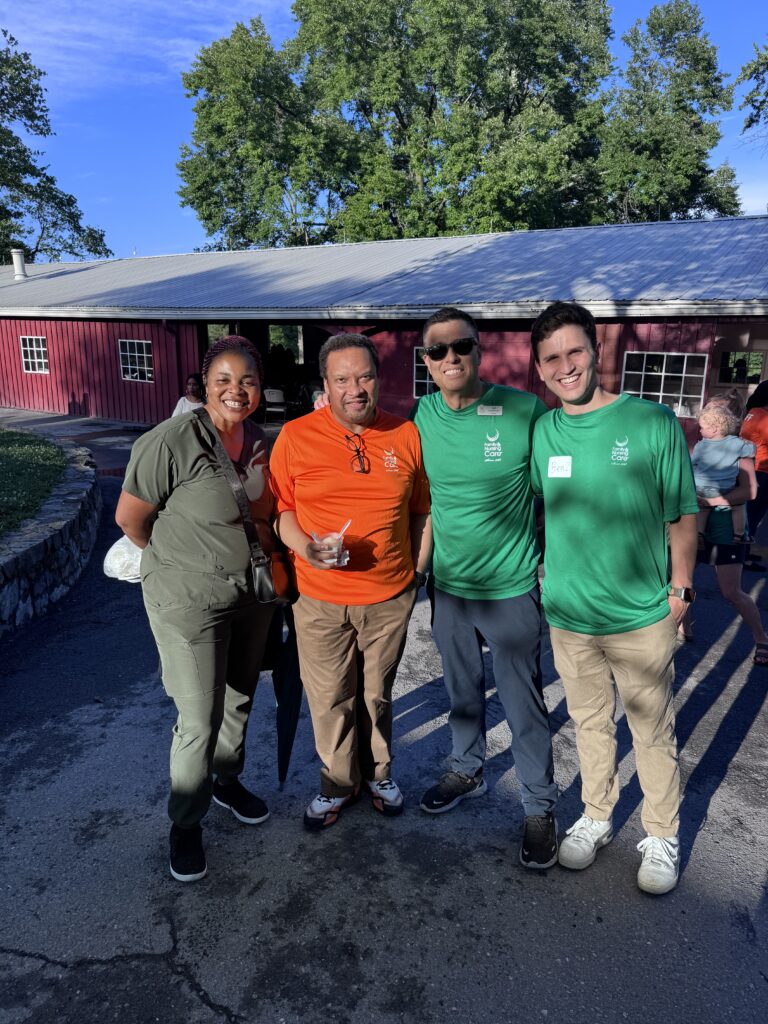
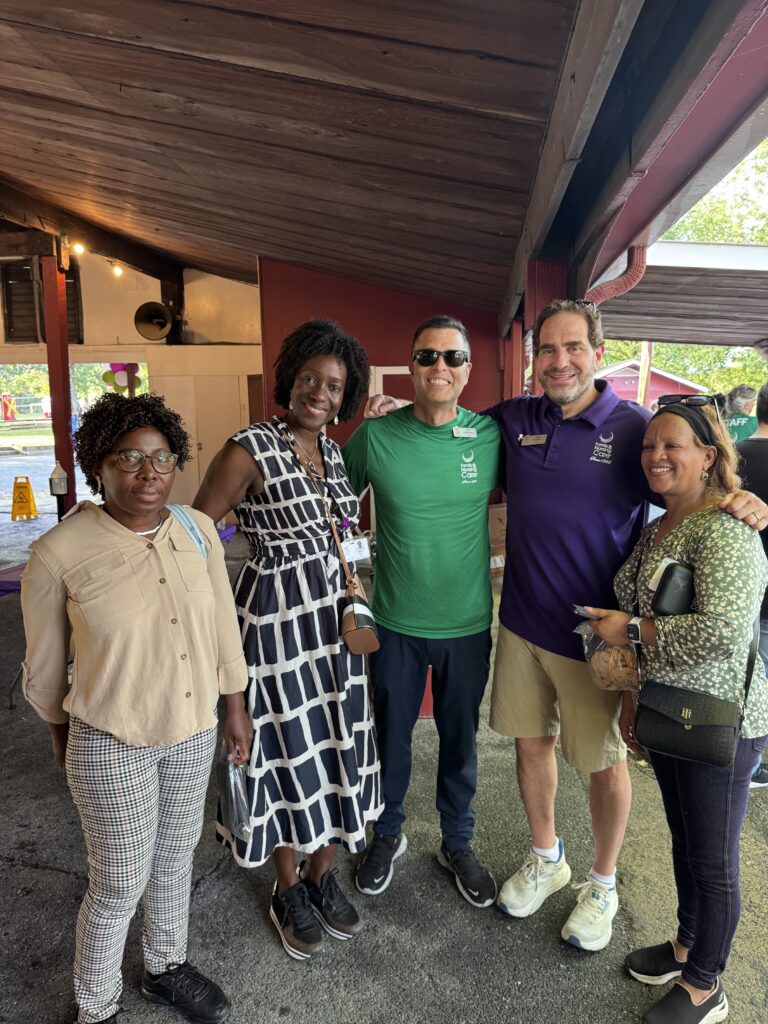
The celebration began on Wednesday, June 11, with nearly 500 attendees gathering at Smokey Glen Farm in Gaithersburg, Maryland, for the annual Caregiver Appreciation Picnic. Caregivers, their families, and Family & Nursing Care staff enjoyed a full day of delicious food — from BBQ favorites to traditional West African dishes — along with ice cream, games, music, a video booth, face painting, raffles, and more. The picnic provided the perfect setting to honor the compassion and commitment that Caregivers bring to their work.

The next day, on June 12, Caregivers who couldn’t attend the picnic were invited to a Caregiver Appreciation “Pop-In” Open House at our Silver Spring office. This event offered a chance to stop by, enjoy a snack, pick up a gift, and chat with Family & Nursing Care staff and fellow Caregivers.

Later in the summer, we extended these celebrations to more communities, hosting regional appreciation events in Central Maryland and Philadelphia. These gatherings brought the same spirit of gratitude and connection closer to where some Caregivers live and work.

Together, these events underscored Family & Nursing Care’s ongoing commitment to celebrating the incredible individuals who make a difference in the lives of clients and their families every day.