 800-588-0517

Hospice plays a vital role in providing medical oversight, symptom management, emotional support, and guidance during the end-of-life journey. However, hospice services are not designed to provide around-the-clock, hands-on care.
As a result, many patients and families benefit from combining hospice services with private duty home care. By working together, hospice providers and home care agencies can help ensure patients remain comfortable, safe, and supported at home while reducing stress for family caregivers.
Understanding the Different Roles of Hospice and Home Care
Hospice and home care share the common goal of improving quality of life, but they serve different functions. Hospice care focuses on managing pain and symptoms, and care teams typically include nurses, physicians, social workers, and spiritual care providers who visit patients according to their needs.
Home care connects patients with professional caregivers who provide non-medical assistance that helps them remain comfortable between hospice visits. This support may include:
 Personal care such as bathing, dressing, and grooming
- Assistance with mobility and transfers
- Meal preparation and feeding assistance
- Medication reminders
- Light housekeeping
- Companionship and emotional support
- Overnight supervision and safety monitoring
Together, hospice and home care create a more comprehensive support system that addresses both medical and daily living needs.
Establishing Clear Communication
Successful coordination begins with open communication among all members of the care team. Hospice nurses often have the most up-to-date information about a patient’s condition and symptoms. Private duty caregivers, meanwhile, may spend many hours each day with the patient and are often the first to notice changes in behavior, comfort, mobility, or appetite.
Regular communication helps ensure everyone is working toward the same goals. Families benefit when hospice teams and home care providers share observations and communicate changes that may require adjustments to care.
Providing Professional Caregiving Between Hospice Visits
Hospice visits are scheduled based on a patient’s needs, but nurses are not typically present in the home 24 hours a day. This can leave families concerned about how to manage care during evenings, overnight hours, or weekends.
Professional caregivers can help bridge these gaps by providing support when hospice teams are not present. Their presence can offer reassurance, assist with personal care, and help patients remain comfortable throughout the day and night.
This additional layer of support often allows patients to remain safely at home for as long as possible, which is the preference for many individuals receiving hospice care. It also enables families to spend meaningful time with loved ones during an important stage of life rather than focusing on caregiving tasks.
Creating a Seamless Care Experience
The most effective hospice and home care partnerships are built on collaboration, trust, and a shared commitment to patient-centered care.
When hospice teams and home care agencies work together, patients benefit from coordinated support that addresses both clinical and personal needs. Families gain peace of mind knowing experienced professionals are helping guide them through a challenging time.
At Family & Nursing Care, we work closely with hospice and palliative care providers to complement the services they deliver and help patients remain comfortable at home.
 The cost of aging in America continues to climb at a rapid pace. According to Genworth’s 2025 Cost of Care Survey, the median annual cost of a private room in a nursing home now exceeds $120,000, while assisted living averages more than $72,000 per year. For families who have invested in long-term care insurance (LTCI), these rising costs reinforce the importance of understanding and maximizing available benefits.
 Loneliness and social isolation are increasingly recognized as serious public health concerns, particularly among older adults. As the population ages, more individuals are living alone, managing chronic conditions, or experiencing reduced mobility and social engagement. For professionals across the care continuum, these factors are no longer considered secondary concerns. They are measurable risks that directly impact health outcomes.
 As the U.S. population continues to age, the healthcare system is facing a widening gap between patient demand and provider availability. Shortages among primary care physicians and geriatric specialists are becoming more pronounced, placing added strain on an already complex care environment. This gap is not just about access to appointments; it is reshaping how care must be delivered between visits.
 Summer travel offers a wonderful opportunity to spend time together, create lasting memories, and enjoy a change of scenery. When traveling with an aging loved one, a little extra planning can help ensure the experience is not only enjoyable, but safe and comfortable for everyone involved.
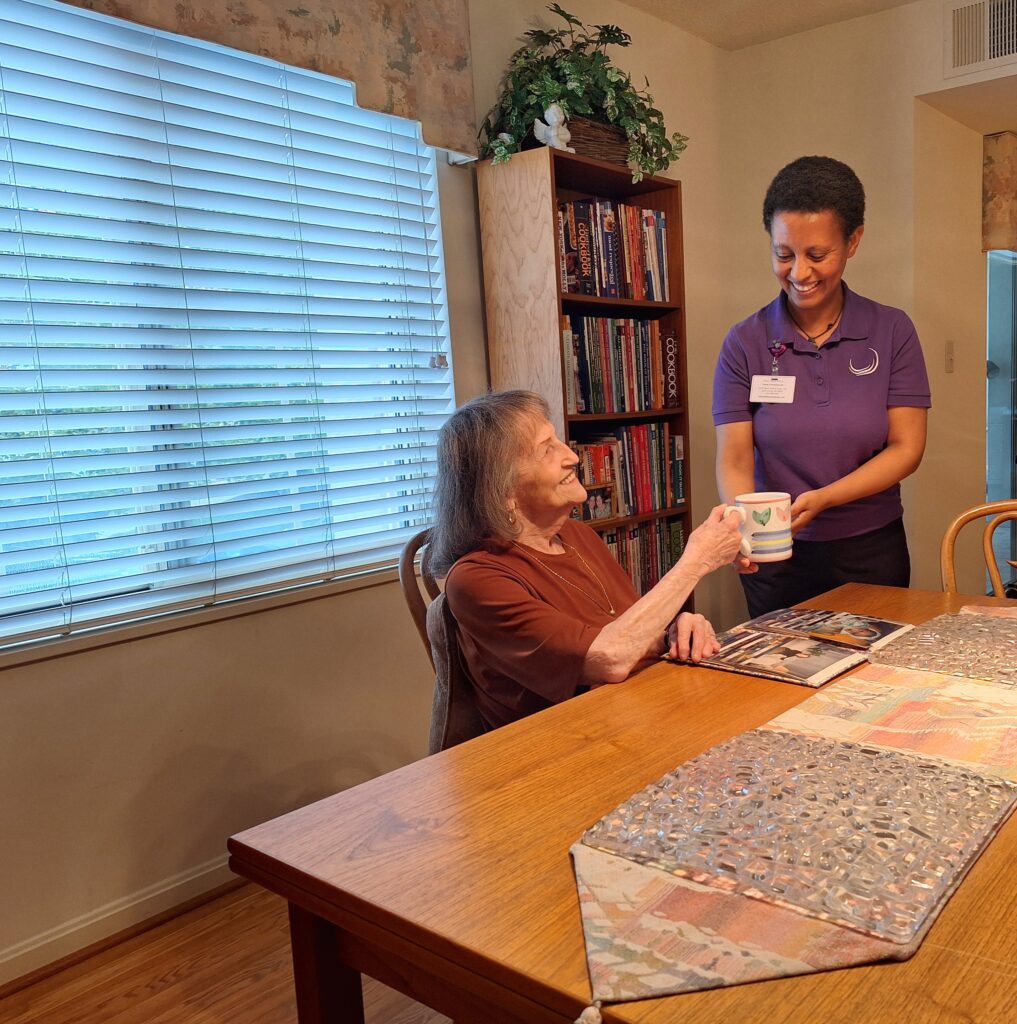 Many older adults take great pride in their independence and may initially hesitate to accept help, even after a fall, illness, or unexpected health setback. The idea of needing assistance can feel like a loss of control, especially for those who have always managed on their own.
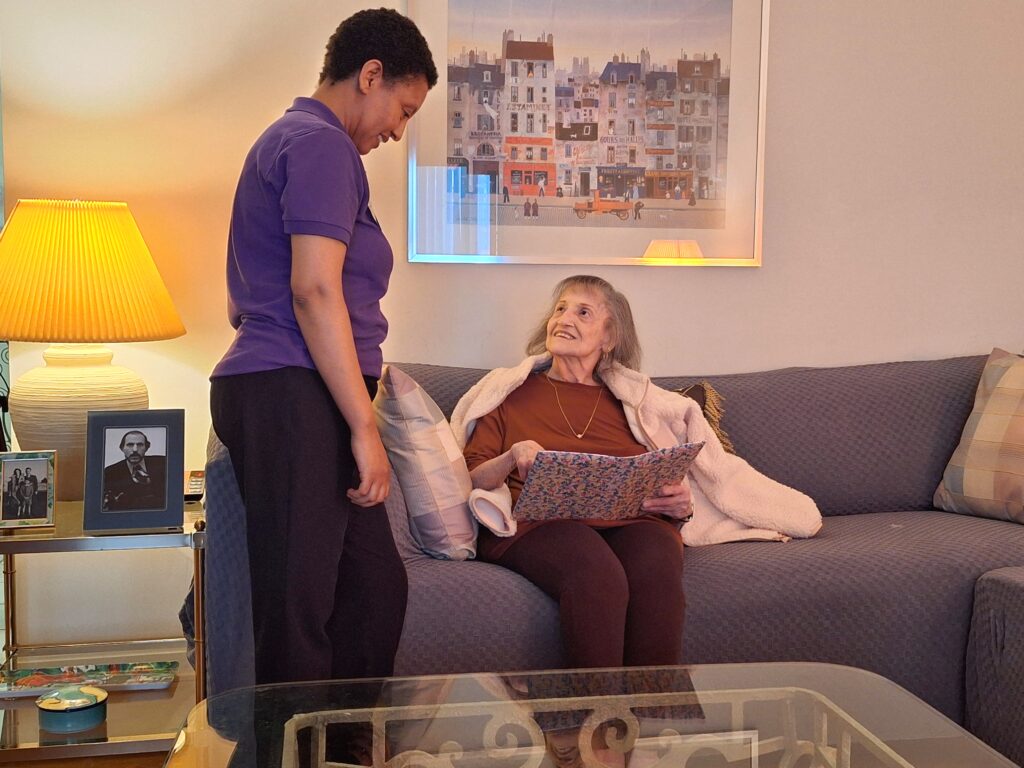 The Impact of Compassionate Care
 June is Alzheimer’s & Brain Awareness Month, a time to raise awareness, reduce stigma, and encourage individuals and families to take a more proactive approach to brain health. With more than 7 million people in the United States aged 65 and older living with Alzheimer’s disease, and many more affected by other forms of dementia, the impact is both widespread and deeply personal.