Springing into Action – The Importance of Physical Activity

As we age, our bodies undergo numerous changes, making it increasingly vital to prioritize physical activity for overall health and well-being. According to the U.S. Department of Health and Human Services, older adults are at a higher risk for chronic health conditions such as diabetes, osteoporosis, and Alzheimer’s disease. Additionally, falls are a prevalent concern, with one in three older adults experiencing a fall each year, often resulting in serious injuries. With winter fading away and spring blossoming, now is the perfect time to re-focus on the importance of physical activity for older adults.

Staying active plays a crucial role in promoting longevity and enhancing quality of life as we age. Rachel Sanford, a Registered Nurse and Director of Nursing for Family & Nursing Care Select, emphasizes the significance of maintaining an active lifestyle.

“The less active we are, the more difficult it becomes to stay motivated to engage in activities,” she says. “Decreased physical activity can lead to muscle loss, poor exercise tolerance, and increased risk of falls or injuries.”

Engaging in regular physical activity not only benefits older adults physically, including cardiovascular health, but also contributes to their mental and emotional well-being. Increased physical activity, with which Caregivers can assist, can help boost someone’s mood, decrease stress, and enhance alertness. Sanford also underscores the importance of recognizing age-related changes and embracing assistive devices or Caregiver assistance. “Falls in the older adult population can be catastrophic,” she warns. “Utilizing any resource available to minimize the risk of falls is vital to allow older adults to remain injury-free and living independently.”

When it comes to choosing activities, low-impact exercises tend to be most appealing for older adults. Swimming, chair yoga, seated exercises, and wall Pilates are excellent options that minimize strain on aging bodies while still providing significant health benefits. Sanford recommends that clients work on their mobility as often and as safely possible, ideally daily. She also stresses that everyone has unique needs and, while going for a long walk or to the gym may work well for one person, standing from a seated position 10 times a day or changing positions in bed frequently may work better for another person. When it comes to exercise, Sanford likes to quote Newton’s First Law of Motion, “An object at rest will stay at rest, and an object in motion will stay in motion, so let’s get moving.”

At the end of the day, prioritizing physical activity for older adults is not just about staying fit — it’s about preserving independence, enhancing quality of life, and reducing the risk of falls and injuries. With help from qualified and supportive Caregivers, clients can receive the encouragement they need to stay active, in addition to other services, such as assistance with bathing, dressing, errands, meal prep and light housekeeping, medication reminders, and companionship.

For more information on how Family & Nursing Care can help, check out the Mobility Assistance webpage.


Family & Nursing Care Earns 2024 NBRI Circle of Excellence Award

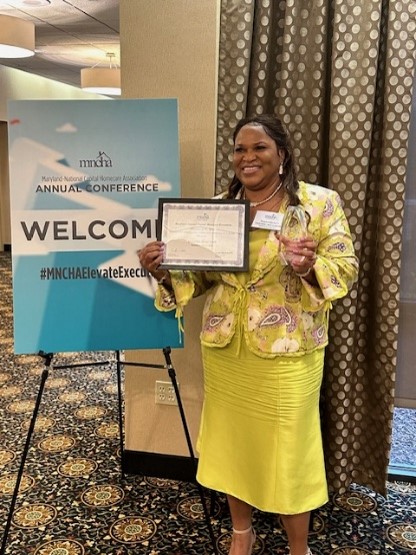
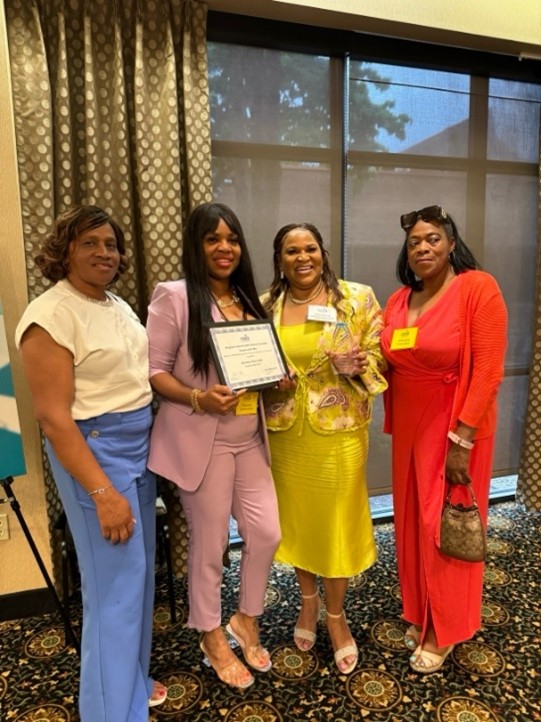
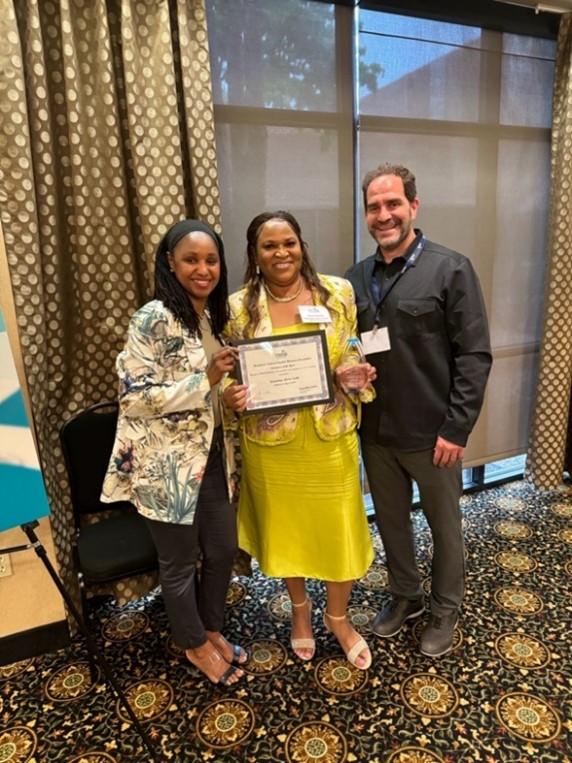
NBRI Circle of Excellence Recipient AwardFamily & Nursing Care is thrilled to receive the National Business Research Institute’s (NBRI) Circle of Excellence Award, which recognizes organizations for their outstanding achievements in client, staff, and caregiver satisfaction. This prestigious award was determined by data collected throughout 2023 and is especially meaningful because it is a result of feedback from our own community.
 

With a focus on continuously learning and improving, Family & Nursing Care will use the responses from the NBRI survey to help our team better understand the needs of clients, Caregivers, and staff, enabling us to continue providing each group with the best possible experiences. The Circle of Excellence award is further validation that our approach centering around clients, Caregivers, and staff makes a significant impact, and we are proud to share some key insights from the NBRI survey:


  • Caregivers categorized 8 out of the 10 topics addressed in the survey as strengths, with Job Satisfaction and Interactions with Office Staff as the highest satisfaction ratings among the Caregivers. None of the topics were categorized by Caregivers as weaknesses or threats. Additionally, two items that scored above 90% were “I am proud to tell people I work with/for Family & Nursing Care” and “Overall, I like being a caregiver with Family & Nursing Care.”
  • Our office staff survey gauges 14 different areas and all 14 were identified as strengths, with Supervision scoring at a best-in-class level of 90% or above satisfaction rating. Employees also rated the culture of the office at Family & Nursing Care highly with 93% responding that they think what they do is important to the overall success of the company.
  • New clients expressed 96% satisfaction with the initial intake process and 95% are satisfied with the office staff and their Client Services Manager. 95% of respondents who have been with Family & Nursing Care for a year or more find their Caregiver’s skills a good match for their needs. Among all clients, 98% would recommend Family & Nursing Care to a friend or family members.

This marks the ninth-consecutive year in which Family & Nursing Care has received the NBRI Circle of Excellence Award. As a trusted and leading home care resource in Maryland and Washington, D.C. for more than 55 years, our team prides itself on consistently assessing customer and worker experiences so we can continue to meet the needs of clients, Caregivers, and staff, both today and tomorrow.

To learn more about our award-winning culture, visit the Family & Nursing Care Why Us webpage.


Family & Nursing Care Receives 2024 Best of Home Care® – Leader in Training Award

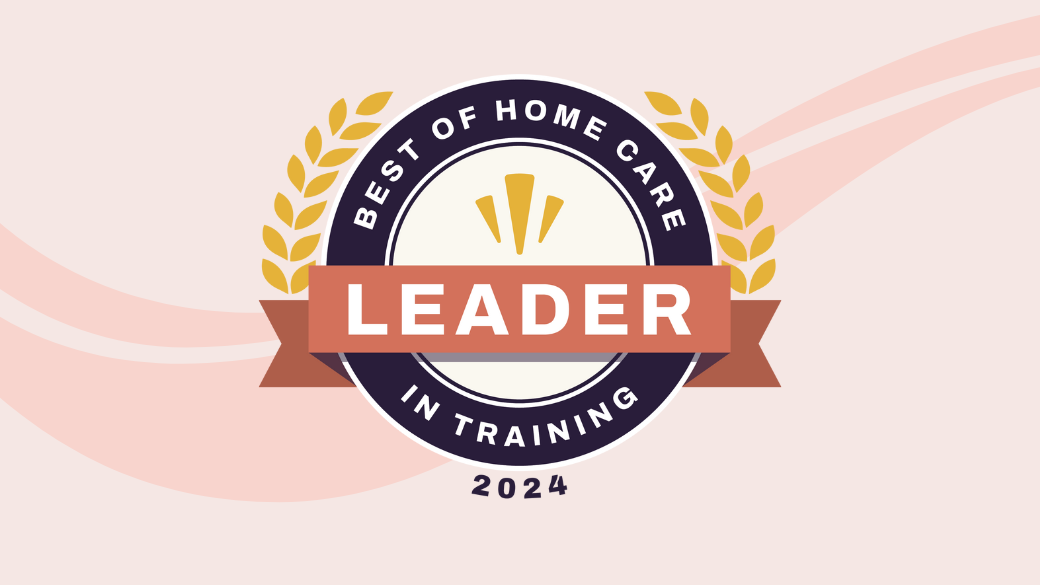
We are proud to have received the distinguished 2024 Best of Home Care® – Leader in Training Award from HCP, the leading firm in experience management for home care. The Leader in Training Award recognizes home care businesses that consistently provide an outstanding level of Caregiver education. As a Leader in Training, Family & Nursing Care Select is now recognized among the top 25% of home care providers participating in the nationwide HCP Training Program.

This accomplishment demonstrates Family & Nursing Care Select’s long-term dedication to excellent care and employment. To qualify for this award, we implemented HCP Training to provide specialized education for Family & Nursing Care Select Caregivers. We have achieved a high level of Select Caregiver participation in continuing education, as well as an average of at least 8 courses completed by each participant.

The Best of Home Care – Leader in Training Award highlights the top-performing home care businesses in the nation. HCP believes that by honoring these providers, families looking for in-home care for a loved one will be able to recognize and choose a trusted home care provider.

“At HCP, our mission is to help home care businesses create a training program that goes beyond client and Caregiver expectations,” says Todd Austin, President of HCP. “When we see companies like Family & Nursing Care that have so effectively provided outstanding care and employment experiences through continuous learning, we know we’re on the right track. Family & Nursing Care has worked extremely hard to prioritize high-quality care and employment, and their work hasn’t gone unnoticed. This award allows them to show proof of quality to potential clients and Caregivers.”

About HCP
HCP is on a mission to support long-term and post-acute care providers with mission-critical applications that offer complete support across the entire employee and customer lifecycle while improving outcomes for all stakeholders in the care continuum. HCP offers RN-developed training, satisfaction surveys, and reputation management tools designed to help you become the best employer and provider in your area—and make sure everyone knows about it. Known industry-wide for its Benchmarking Report and Best of Home Care awards, HCP is redefining the future of post-acute care. For more information, visit https://www.homecarepulse.com.

The Lowdown on Leqembi, the First-Ever Alzheimer’s Drug to Slow the Progression

In July 2023, the FDA gave full approval to Leqembi, the first-ever drug designed to slow the progression of Alzheimer’s disease. While the development and approval of this treatment represents a significant step forward in medical research – and tremendous hope for patients and their families – it might not be suited for everyone. Fortunately, there are additional resources to help those with Alzheimer’s disease and other forms of dementia.

The What & Who of Leqembi

Leqembi is a first-of-its-kind Alzheimer’s drug designed to identify and target disruptive beta-amyloid proteins in the body and help reduce existing amyloid brain plaque to slow the harmful impacts of the disease. In trials, the treatment was shown to slow cognitive decline by 27% over 18 months. “The impact that Leqembi may have on patients in the early stages of Alzheimer’s disease is potentially very great,” says Dr. Lynn Deutsch, a geriatric psychiatrist in Silver Spring, Maryland. “Leqembi has been shown to help clear the brain of the amyloid, which may prevent brain deterioration and subsequent severe stages of the illness.”

After earning accelerated approval from the FDA, Leqembi officially hit the market in 2023. However, the drug still isn’t widely available to those with Alzheimer’s and it’s only fit to treat people in the very early stages of the disease. In fact, only a quarter of the 6 million people currently living with Alzheimer’s in the U.S. will qualify for treatment with Leqembi, including those with mild forms of the disease and minor memory issues as opposed to more severe symptoms.

While drugs like Leqembi offer a major advancement in the treatment of Alzheimer’s and other progressive forms of dementia, it’s not a one size fits all. Adults living with dementia may need extra support, especially as the disease progresses. So, what is the next step as Alzheimer’s and dementia progresses? Home care can be an accessible and often vital resource for those living with this disease. “Treatment for patients in all stages of dementia includes not only medication but education and support of family and other caregivers,” adds Dr. Deutsch. “Caregivers and family play a significant role in the care of patients and education about the specific kind of dementia and caregiving techniques have been found to be effective in reducing patient agitation.”

The Family & Nursing Care Difference

Family & Nursing Care is a longtime leader in providing access to best-in-class care for older adults living with dementia and other cognitive issues, so they can feel the most comfortable. Dementia care services available through Family & Nursing Care offer private, customizable care options that can allow family respite and time, while providing the necessary support and companionship for clients based on their individual needs. Access to Caregivers with a wealth of experience and training at different stages of dementia can be provided, including:

  • Early-Stage Needs: For those in the early stages of memory loss diseases, Caregivers can provide emotional and daily support, including keeping appointments, assistance with remembering to take medications, and encouraging participation in activities that can help exercise certain brain functions and potentially slow disease progression.
  • Middle-Stage Needs: For those experiencing increased memory trouble, acting out, developing triggers, or otherwise diagnosed with middle-stage dementia needs, Caregivers can assist with daily tasks like grooming, cooking, and household chores. As the disease progresses, Caregivers can also provide services focused on keeping clients comfortable and more at-ease.

As the medical field marks a major milestone with the introduction of Leqembi, and as treatments continue to evolve and develop, those dealing with dementia and their families can take comfort knowing more options exist, including home care, to help combat this disease. To learn more about Family & Nursing Care’s Alzheimer’s and dementia care offerings, call us at 800-588-0517 or visit the Home Care and Alzheimer’s/Dementia webpage.

Top 5 Home Care Trends of 2024

As the landscape around home care continues to evolve, so do priorities and industry trends. In 2023, the home care industry was majorly impacted after the expiration of the COVID-19 Public Health Emergency in May. This led to the end of Medicare’s “3-Midnight Rule” waiver and affected thousands of individuals across the United States as it highlighted critical gaps in care. Additionally, in a year of change, the White House issued an executive order on improving the nation’s care infrastructure, and a new emphasis on artificial intelligence in workplaces began.

From the economics of home care to a rise in at-home care, 2024 will bring a new set of changes and challenges to the home care industry. For this article, we sat down with Family & Nursing Care CEO Neal Kursban and Vice President of Business Development Mitch Markowitz to discuss the top trends clients, caregivers, and professionals in the industry should keep an eye on this year.


Prioritizing Happiness and Friendship in the New Year

Looking for an impactful New Year’s resolution? Why not start with fostering deeper social connections, which can lead to longer life, better health, and improved well-being!

On the heels of a holiday season often focused on family, friends, and camaraderie, many of us may feel a bit lonelier and for valid reasons. In 2023, the United States Surgeon General Dr. Vivek Murthy issued an advisory calling attention to the public health crisis of loneliness, isolation, and lack of connection in America – which has a particularly outsized effect on older adults. In fact, the rate of older Americans facing social isolation has increased every year since 1976, and today senior loneliness accounts for $6.7 billion in excess Medicare spending each year. The health consequences are equally alarming with a 29% increased risk of heart disease, 32% increased risk of stroke, and a 50% increased risk of developing dementia.

The Advisory At-a-Glance

Advisories are reserved for significant public health challenges that need people’s immediate attention. In addition to examining the epidemic of loneliness and isolation in America – which increases the risk for premature death to levels comparable to smoking daily – the advisory outlines a framework to enhance social connection based on six pillars:

  1. Strengthen social infrastructure. Create communities and institutions, including parks, libraries, playgrounds, and programs, that bring people together.
  2. Enact pro-connection public policies. Governments at all levels play a role in creating policies like accessible transportation that can enable more connections.
  3. Mobilize the health sector. Because loneliness and isolation are risk factors for major health conditions, it’s incumbent on health care providers to recognize the signs and intervene.
  4. Reform digital environments. Evaluate the role of technology to ensure it doesn’t detract from connection with others.
  5. Deepen our knowledge. More research is needed to understand the risks, causes and outcomes of social disconnection as well as the effectiveness of implementing efforts to enhance connection.
  6. Cultivate a culture of connection. Societal norms significantly impact people’s relationships and it’s critical for connection to be embedded in the fabric of the country’s culture.

The Family & Nursing Care Difference

Family & Nursing Care is one of the oldest and most well-respected private duty home care businesses in the greater Maryland and Washington, D.C. area. We pride ourselves on offering access to empathetic, personal companion care that helps clients feel valued, secure, and connected to the community. Some ways the Caregivers we work with can help combat feeling isolated or lonely includes:

  • General Companionship: In addition to helping with meeting nutritional needs, personal care, and appointments, Caregivers can become close confidants and provide older adults with an outlet and space to share feelings, thoughts, and stories. Loneliness can be curbed with something as simple as sharing a meal or having regular conversations. Caregivers and clients often develop a connection like that of a friend or family member.
  • Social Access: Mobility and transportation issues can inhibit social interaction, but you can leave those woes behind! A professional Caregiver can accompany clients to social events and get togethers, including senior clubs, knitting circles, and more, offering tons of opportunities to connect with potential new friends.

“There’s no better time than the start of a new year to embrace the companionship of a Caregiver,” said Kelly Salb, Vice President of Client Services for Family & Nursing Care. “Human connection has both mental and physical health benefits and our team is passionate about providing our clients access to customized personal care services in order to help with health needs but also create a better quality of life through social interaction.”

Living independently doesn’t have to mean feeling alone, and 2024 is a great year to decide to spend more time in the community. Family & Nursing Care offers access to a range of care services to help with this and ensure human connection. To learn more, call us at 800-588-0517 or visit the Home Care Services or Contact Us webpages.

Starting off 2024 on Cloud Nine!

Our team at Family & Nursing Care is proud to kick off 2024 with the fantastic news that, for the ninth time, we have been voted “Best In-Home Care Provider” by Bethesda Magazine in the publication’s annual Best of Bethesda Readers’ poll! We’re honored to be recognized by the community for our compassionate and reliable home care services – it’s awards like this that allow our team to reach and support even more clients when they need it most.

From things to do and places to eat to service providers and more, each year local feature and lifestyle publication Bethesda Magazine encourages readers to identify the best of all that Bethesda and its surrounding areas have to offer. The Best of Bethesda awards allow locals to highlight companies within the community that are supporting the local economy, offering quality customer experiences to neighbors, and continuing to make Montgomery County a beautiful, quality place to call home.

For over 55 years, Family & Nursing Care has prided itself on being ready to help older adults and their families whenever a home care need arises – whether it’s companionship, daily living support, mobility assistance, disease-specific care, and more. We would like to extend our deepest gratitude to the clients, Caregivers, and professionals we work with daily as we head into another year focused on always being there for families. Thank you for continuing to place your trust in us and allowing us to make a positive difference in your life!

Top 5 Reasons You Need Home Care Services

The majority of elderly adults will need long-term care at some point in their lives. Here’s why in-home care is the best option for maintaining your independence.   

Growing older can be a privilege, but choosing how you enjoy your golden years can also be a daunting prospect for individuals who want to maintain their daily routine and independence as they age.  According to an AARP study, 77% of elderly adults want to age in their own homes, yet just as many will need long-term care at some point in their lives. Enter home care.

Home care is personalized, daily living support that helps elderly adults maintain their independence at home.

Home care services may include assistance with tasks like running errands, grocery shopping, grooming and dressing. Home care may also include companion care. While the appeal of extra help around the home is undeniable, home care provides many practical benefits as well. Read more below about the top five reasons why home care should be part of every elderly adult’s plan to maintain health and independence as they age.

1. Home care is cost effective

Long-term care is an incremental cost that can catch many elderly adults and their families off-guard as they age. While home care services are funded by seniors and their families, either out of pocket or from a long-term care insurance policy, home care can actually be more affordable than full-time care for elderly adults. According to a breakdown of nationwide home care costs published by the American Council on Aging last year, the annual cost of a private room at a nursing home – a cost Medicare won’t cover – in the U.S. is more than $108,000. In contrast, home care services are often billed at an hourly rate, typically average about half of that for longer hours of care and even less for most seniors who only need a few hours of extra support at a time.

2. Home care can help keep you out of the hospital

Research shows that when people are able to recover at home after a hospitalization, they recover faster. For this reason, home care services can be especially helpful for elderly adults transitioning home after a hospital stay, as caregivers can help with daily activities like picking up prescriptions and preparing meals that allow seniors to get the rest and recovery they need. However, did you know that regular home care services may help keep you out of the hospital to begin with? According to the World Health Organization, falls are one of the leading causes of unintentional injury and death worldwide, and elderly adults are especially susceptible. At-home care services are rendered by Certified Nursing Assistants (CNAs) or Home Health Aides (HHAs) who are experienced in helping seniors move safely in and around the home. Many Caregivers can also aid seniors with managing chronic health conditions, such as diabetes or Alzheimer’s disease, allowing them to manage their care plan at home.

3. Home care gives your family peace of mind

The average family caregiver spends more than 20 hours per week caring for their loved one at home, oftentimes on top of their other responsibilities associated with raising children and working a full-time job, which research shows can have an adverse impact on the family’s emotional, physical and financial well-being. In-home care services for seniors are an ideal solution for those who may want help with daily living activities at home, but don’t want to rely on family members to maintain their independence. Caregivers can help with transportation to medical appointments, mobility around the home, and medication reminders, giving family members peace of mind that their loved one is being taken care of when they’re not there.

4. Home care can improve your mental health

A strong social life has been linked to many benefits for elderly adults, including a longer life expectancy, fewer health conditions and improved well-being. As we age, it can become harder to maintain the same levels of social connectedness throughout our golden years. Home care professionals offer companionship by providing friendship and warm conversation during at-home They can also make sure elderly adults can continue to enjoy their favorite activities and friendships outside the home by taking the stress out of travel and transportation to events and gatherings in the community.

5. Home care gives you more time to do what you love

As we age, it’s normal for activities to take a us a bit longer than they used to, but home care services can help ensure the tasks of daily living don’t keep elderly adults from enjoying the activities that matter most. Whether it’s putting away groceries, hanging clothes in the closet, or trying to stay up to date on the latest technology, in-home care professionals can help elderly adults complete tasks around the house more efficiently, so seniors can spend more time focusing on their favorite pastimes.

To learn more about how home care can help you live your fullest, independent life at home, call us at 800-588-0517 or visit the Contact page on our website.

Family & Nursing Care is one of the oldest and most well-respected home care businesses in the greater Maryland and Washington, D.C. area. Since 1968, we’ve helped tens of thousands of seniors and their families by providing access to caregivers who assist elderly adults with activities of daily living, including bathing, dressing, mobility assistance, errands, meal prep, light housekeeping, medication reminders, companionship, and more.

White House Executive Order on Supporting Caregivers: What it Means for Hospital Staff and Patients


In mid-April, President Biden issued a first-of-its-kind White House executive order aimed at improving the nation’s care infrastructure by “expanding access to affordable, high-quality care” and “providing support for both care workers and family caregivers.”

According to Boston Consulting Group (BCG), whose research was cited in the executive order, approximately 56% of U.S. workers have care responsibilities outside their full-time jobs, and 40 million of these caregivers rely on outside, paid care in the form of nannies, day cares, nursing homes, and more to stay in their jobs. While the basis of this order is fiscally motivated, designed to address key supply and demand gaps in the nation’s care system, which BCG reports will create a $290 billion crisis if left unaddressed, the order’s impact on everyday people and their families is no less significant.

The Executive Order At-a-Glance

Outlined in the order are more than 50 actions the White House has directed government agencies at nearly every cabinet-level to take, beginning October 1, 2023, to expand support for family caregivers, long-term care workers, early educators and veterans. Many of these initiatives are specific to advancing access to early childhood education and care, but several guidelines are intended to enhance the long-term care experience for both caregivers and clients by:

  • Enhancing job quality and compensation for long-term care workers under Medicare and Medicaid. The long-term care industry has one of the highest rates of annual employee turnover, with more than 65% of employees leaving their roles in 2020. As part of the executive order, the Department of Health and Human Services (HHS) is instructed to consider issuing regulations to ensure workers have the support and resources they need in their role.
  • Expanding resources for the nation’s 11 million dementia caregivers. The order directs HHS to consider testing a new payment and service delivery model to better support families and workers caring for someone with dementia.
  • Ensuring hospitals are actively involving family members in the hospital discharge process. In addition to increasing awareness of best practices from the Administration for Community Living, HHS is instructed to promote partnerships with community-based care organizations during the discharge planning process.
  • Expanding training pathways and professional learning opportunities in the care workforce. The need for long-term care is likely to become more acute as the nation’s population ages. By 2060, there will be approximately twice as many adults over the age of 65 than in 2016, and projections indicate that there will be around 8 million long-term care job openings over the next decade. The order directs federal agencies to examine resources and grant programs to support existing care workers and to create more opportunities to attract new entrants to the workforce.
  • Advancing equity for people with disabilities and older adults. The order directs the Secretary of Labor and the HHS Secretary to conduct a joint review to identify gaps in knowledge about the home- and community-based workforce and to launch new efforts to ensure individuals with disabilities and older Americans have equitable access to care resources and support.

These broad set of actions have been endorsed by several of the nation’s leading care-focused organizations – including the National Council on Aging, the American Association for People with Disabilities, the National Alliance for Caregiving, and more – and stand to positively impact millions of families and care workers. However, these changes are just getting started and it will take time before many of them have an impact. But this doesn’t mean older adults need to wait to access quality care.

The Family & Nursing Care Difference

Family & Nursing Care is one of the oldest and most well-respected private duty home care businesses in the greater Maryland and Washington, D.C. area. Since 1968, we’ve helped tens of thousands of families by providing access to caregivers who assist older adults with activities of daily living, including bathing, dressing, mobility assistance, errands, meal prep, light housekeeping, medication reminders, companionship, and more. As an industry pioneer, we know what it takes to deliver the quality, compassionate care clients and workers desire and deserve. When it comes to supporting families’ long-term care needs, this is just some of what sets Family & Nursing Care apart:

  • Only the top 8% of Caregivers who apply meet our unwavering standards of excellence, ensuring every caregiver we work with is the best-of-the-best.
  • It is vitally important to us that those who provide care for our clients feel enthusiastic about continuing to work as caregivers, which is why Family & Nursing Care is dedicated to empowering these best-in-class Caregivers through professional development opportunities and competitive compensation.
  • Family & Nursing Care is an eight-time winner of Bethesda Magazine’s Best of Bethesda Readers’ Poll. We’re also rated an A+ company by the Better Business Bureau and are included in the National Business Research Institute’s Center Circle of Excellence, making it no wonder why more than 25% of Family & Nursing Care employees have been with the company for over 10 years.
  • Our longstanding relationships with hospitals, senior living communities, skilled nursing facilities, and long-term care insurance companies allow us to liaise in the coordination of what can often be an overwhelming process for clients and families. Whether it’s coordinating home care when a sudden need arises or supporting families following a hospital discharge, clients know our team stands ready to support them 24/7, 365 days-a-year.
  • We have teams of people dedicated to ensuring our clients receive excellent service – from when they initiate care throughout their entire care journey. Our client services managers are always on hand to provide a high-level of support to clients and their families, while our care coordinating managers work to match the right caregiver to each client. In addition, our skilled accounting and long-term care insurance teams are available to guide clients and their families through the billing and insurance reimbursement process.

To learn more about our leading home care services and what makes Family & Nursing Care an employer of choice, visit the Why Us? page on our website.