 800-588-0517

 Family & Nursing Care was recently featured in Home Health Care News for our ongoing commitment to supporting and empowering family caregivers — a vital but often overlooked part of the care team that helps older adults remain safe and comfortable at home.
Across the United States, family members are playing an increasingly important role in caregiving. In fact, 63 million people provided care for an adult or a child in 2025, according to data from AARP and the National Alliance for Caregiving. As more families take on these responsibilities, home care companies are finding new ways to engage and educate them — ensuring families have the knowledge, tools, and confidence to provide quality care.
In the article, “Home-Based Care Companies Improve Outcomes By Training Family Caregivers,” Kelly Salb, Vice President of Client Services at Family & Nursing Care, shared how the company helps family caregivers navigate both the emotional and practical aspects of providing care.
“We help educate them on [specific] diagnosis that their loved one might have,” Salb told Home Health Care News. “Our RN team does a really good job with that, and our client services team. We help educate them on programs such as hospice, and even create or schedule a meet and greet with hospice agencies, because a lot of times, these family caregivers don’t know what they have as tools.”
Family & Nursing Care takes a personalized approach to every family situation, helping caregivers feel supported at every step. Whether it’s explaining care plans, connecting them to community resources, or simply being a compassionate listening ear, the company recognizes that caring for a loved one is multi-faceted.
“We also engage in any conversation about what’s going on,” Salb said. “Obviously, they’re really dealing with the emotional sense of taking care of someone on top of the practical tasks.”
Salb also highlighted the importance of recognizing family caregivers as essential partners in home care: “I don’t think any company could be successful without acknowledging the role of the family caregiver.”
To read the full Home Health Care News article, “Home-Based Care Companies Improve Outcomes By Training Family Caregivers,” click here. (Note: Access to the full article requires an HHCN+ membership.)
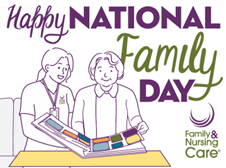 At Family & Nursing Care, National Family Day is all about celebrating the incredible people who enrich our lives and make every day more meaningful. To show our gratitude, we surprised some clients by hand-delivering special gifts as a heartfelt thank you for being such an important part of the Family & Nursing Care “family.”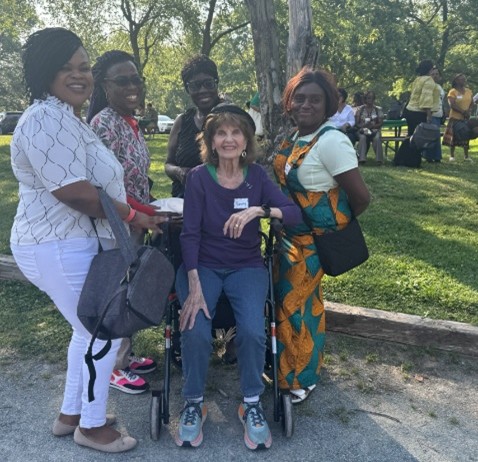
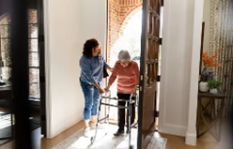 The United States is in the midst of a historic demographic shift. According to recent U.S. Census data, between 2020 and 2024, the number of adults aged 65 and older grew by 13%, while the population under age 18 declined by 1.7%. Perhaps even more striking: 11 states now have more older adults than children — up from just three states in 2020.
 At Family & Nursing Care, our mission is to help older adults age with dignity, comfort, and connection. That commitment extends to every aspect of our work and is at the heart of the Family & Nursing Care Foundation.
 On October 10, the world comes together to recognize World Mental Health Day, a time to reflect on the importance of mental well-being for people of all ages. With more than 1.4 billion people expected to be 60 or older by 2030, it is critical to acknowledge the unique mental health needs of older adults — and highlight the opportunities that come with aging.
 Across the country, the workplace is changing once again. Many companies — including federal agencies and private employers — are requiring employees to return to the office, either full time or on a hybrid schedule. For families who have been balancing work-from-home flexibility with caregiving responsibilities, this shift can create a ripple effect in their daily routines.
 A powerful new PBS documentary, Caregiving, executive produced by Bradley Cooper, brings national attention to an often overlooked yet essential part of life in America: the care we provide for our loved ones. Through moving stories of both professional and unpaid family caregivers, the film reveals the emotional, physical, and financial challenges that come with caregiving — and the profound impact it has on families, communities, and our country as a whole.