800-588-0517

When an older adult is hospitalized for a heart attack or complications related to heart disease, returning home is an important milestone. But discharge does not necessarily mean recovery is complete. Everyday activities may be more difficult, medications require careful management, and follow-up appointments and recovery instructions become part of a new routine.
For family members, two important questions arise: How much help will a loved one need at home, and for how long? The answers depend on the nature of the cardiac event, your loved one’s overall health, and their ability to manage daily activities. Planning for the right level of heart attack and heart disease care in Maryland can help older adults recover more comfortably while giving families greater confidence during the transition home.
Start With the Discharge Plan
Before your loved one leaves the hospital, talk with their healthcare team about recovery expectations and the assistance they may need at home. Questions may focus on medication schedules, activity restrictions, dietary recommendations, follow-up appointments, and symptoms that require medical attention.
It is also important to understand which activities of daily living your loved one can safely manage independently. Can they bathe, dress, prepare meals, and move around the home without assistance? Can they keep track of medications and follow their discharge instructions? Will someone be available to help if they feel weak or need additional support?
These conversations can help you determine whether occasional family visits will be sufficient or whether professional home care in Maryland would provide a safer, more practical transition.
How Much Maryland Heart Attack Care Is Needed After a Cardiac Event?
The appropriate level of care varies from person to person. Some older adults return home with relatively few limitations, while others need considerable assistance following a heart attack, cardiac procedure, or hospitalization related to heart disease. Support can range from a few hours of care per day to more extensive daily or around-the-clock assistance, depending on your loved one’s needs.
Consider these following key areas:
- Daily activities: Help with bathing, dressing, meal preparation, mobility, and household routines may be necessary if recovery leaves your loved one feeling weak or fatigued.
- Medication and follow-up routines: Your loved one may need medication reminders, help maintaining daily routines, transportation to appointments, and support following the healthcare team’s instructions, including cardiac rehabilitation.
- Safety and supervision: Someone who lives alone, has difficulty moving safely, or needs help recognizing and communicating changes in their condition may benefit from more consistent assistance.
How Long Should You Arrange Home Care in Maryland?
There is no universal timeline for cardiac recovery. How long your loved one needs home care may depend on the severity of the cardiac event, any procedures performed, existing health conditions, and their progress toward regaining strength and independence.
The first several days: The transition home can be challenging as your loved one adjusts to new instructions, medications, activity recommendations, and follow-up plans. Assistance with meals, mobility, personal care, and daily routines can help make this transition more manageable.
The first few weeks: As recovery progresses, some older adults regain independence and need less hands-on assistance. Others continue to experience fatigue or difficulty managing daily activities. This can be a useful time to reassess the care schedule with input from your loved one, family members, and healthcare team.
Longer-term recovery: Some people need ongoing assistance because of chronic heart disease, other health conditions, mobility limitations, or difficulty living independently. In these situations, disease specific care in Maryland may remain an important part of the plan beyond the initial recovery period.
How Professional Heart Disease Care in Maryland Supports Cardiac Recovery
Professional home care can provide practical assistance while allowing older adults to remain in familiar surroundings and continue aging in place. Services can be tailored to individual needs and adjusted as circumstances change.
A caregiver can assist with daily activities, prepare meals in accordance with dietary recommendations, provide medication reminders, help with transportation, and offer companionship. Caregivers can also notice changes in your loved one’s routine or condition and share concerns with family members and healthcare professionals.
For families balancing work, other responsibilities, and caregiving, professional support services in Maryland can help ensure that a loved one receives consistent assistance without placing the entire responsibility on one person.
Plan for Recovery, Not Just Discharge
Leaving the hospital is one step in the recovery process. Determining how much help an older adult needs, and how long that help should continue, requires an individualized approach that can evolve over time.
Start with the discharge plan, consider your loved one’s ability to manage daily activities, and reassess the arrangement as recovery progresses. The right support can help bridge the gap between hospital care and greater independence at home, giving families added peace of mind.
If your loved one is preparing to return home after a heart attack or needs ongoing support for heart disease, Family & Nursing Care is here to help.
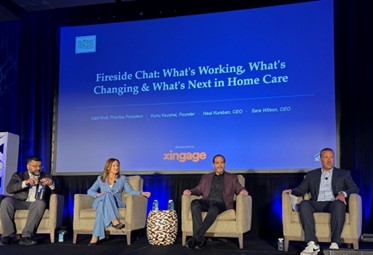 Family & Nursing Care CEO Neal Kursban recently participated in the 2026 National Home Care Conference hosted by the Home Care Association of America (HCAOA) in Orlando, Florida.